01 · Eligibility
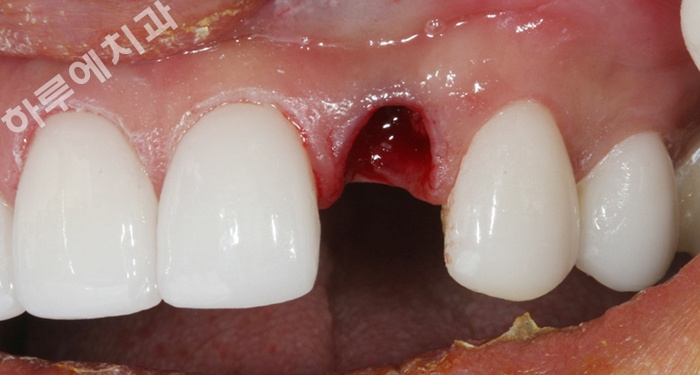
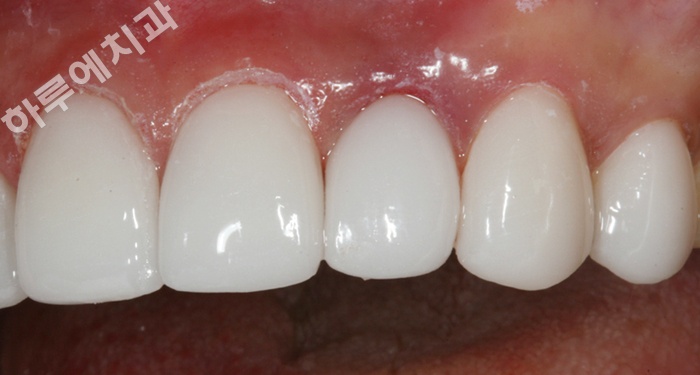
Same-day final restorations for front-tooth implants are possible when bone and gum conditions are favorable.
The clinician determines eligibility after an examination. This is not possible for every patient.
02 · Temporary teeth and treatment time
Usually about 2–6 months until the final restoration
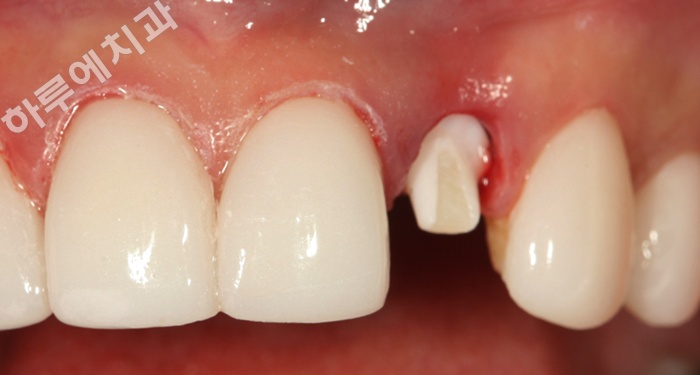
Even if made from a material used for final restorations, these teeth are temporary at this stage, and a final restoration is still required. Depending on bone condition, treatment usually takes about 2–6 months before the final restoration is provided.

03 · Follow-up care
Sutures are generally removed about two weeks after surgery.
Regular checkups are usually scheduled every six months.
04 · Fees
Fees related to treatment complexity, bone grafting, sedation and temporary teeth are all calculated separately.
Clinical information in the Korean source reviewed by: DR. Hanna Lee, Clinic Director
When an implant is placed deeply in an area with insufficient bone without grafting, even retreatment can be difficult. The bone around front teeth is thinner than around molars, so the gum ridge can shrink quickly after extraction. For this reason, when gum bone is insufficient, artificial bone or a block bone graft is used according to the amount of remaining bone. Care is taken to avoid placing the implant at an outward-projecting angle.
Choosing a bridge because bone grafting seems inconvenient may produce an attractive immediate result. Over the longer term, however, the gum bone can recede as remodeling ceases. More bone grafting may then be needed if implant treatment is considered later. If a front tooth has been lost, early treatment is therefore especially important whenever possible.
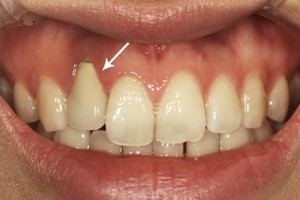
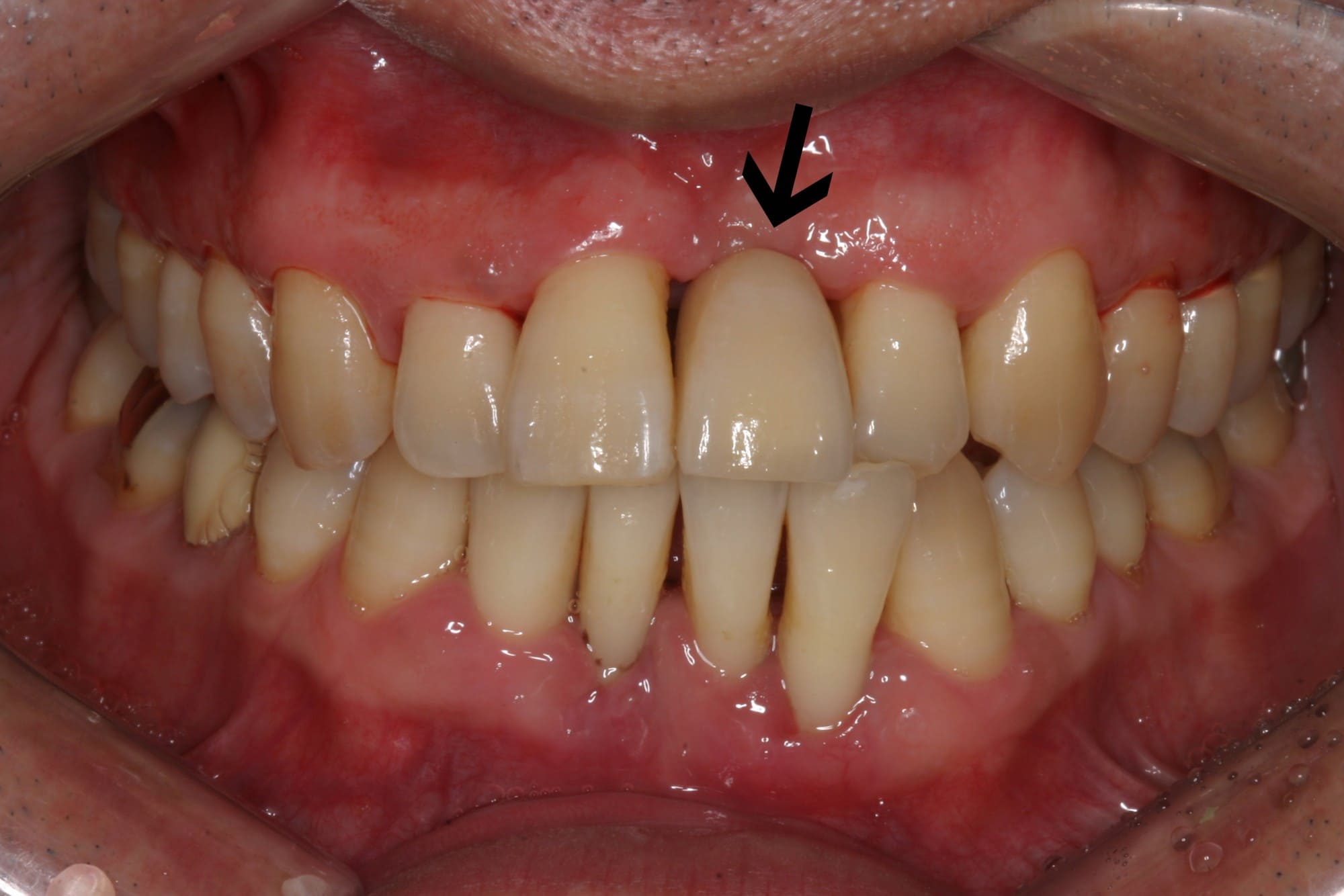
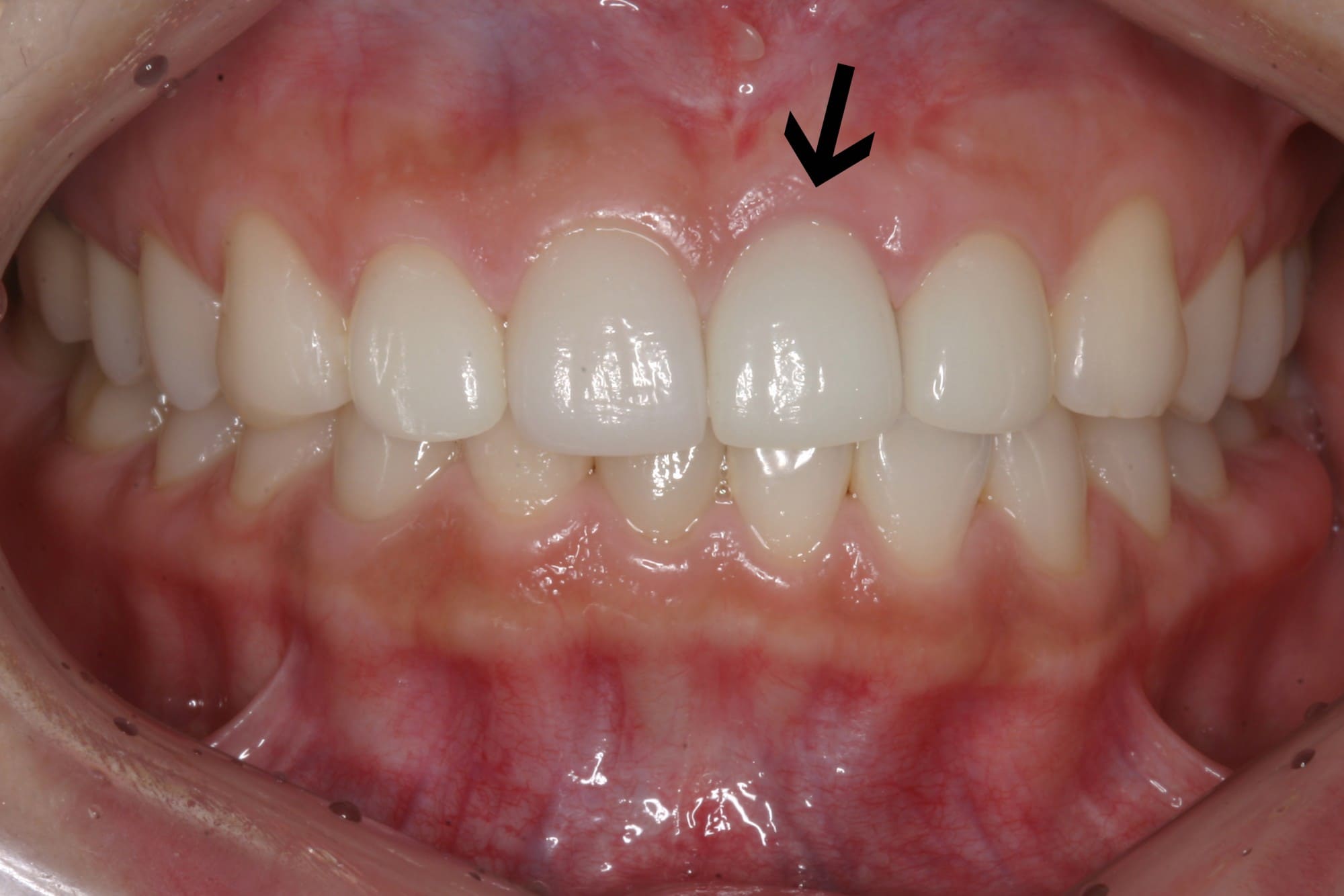
Another important consideration for an attractive front-tooth implant is the material. Although the part inside the bone is the same, a tooth-colored abutment can be used. If a translucent ceramic restoration is placed over the titanium abutment commonly used for molars, the titanium may show through and create a gray appearance. Harue uses Ankylos Cercon zirconia abutments for natural-looking front-tooth implants without the dark abutment showing through.
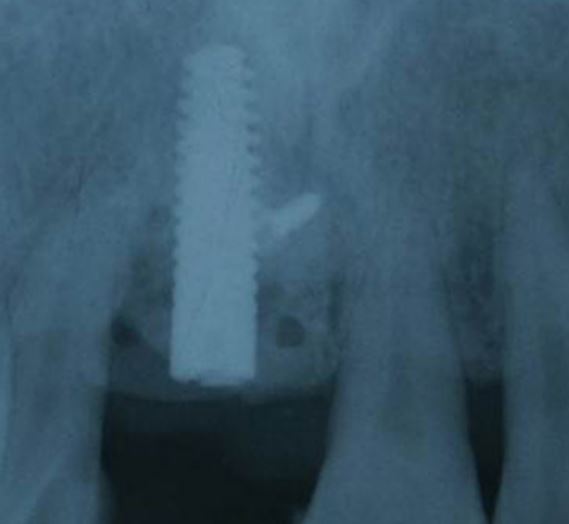
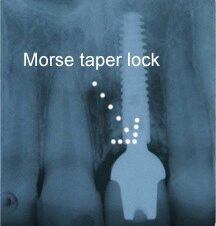
For an attractive front-tooth implant design, compared with early external-connection implants, an internal locking connection provides a more stable gum line around the front-tooth implant. Fuller gum tissue and very little bone loss help maintain a stable appearance over time. As shown in the X-ray, the root component and abutment are joined by a locking connection to resist loosening and bacterial ingress.
At Harue, treatment is performed personally by DR. Hanna Lee, Clinic Director, whose experience includes more than 10,000 successful implant cases. Explore Harue’s implant treatment cases.
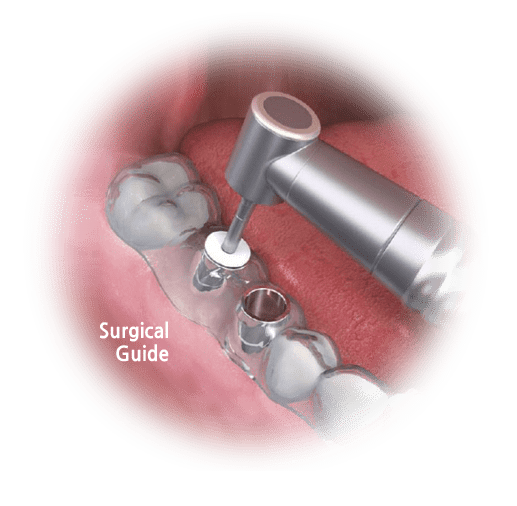
Harue began guided implant surgery in 2002 and, in 2007, filed a trademark application with the Korean Intellectual Property Office for Navigation Implant (Application No. 41-2007-0021759).
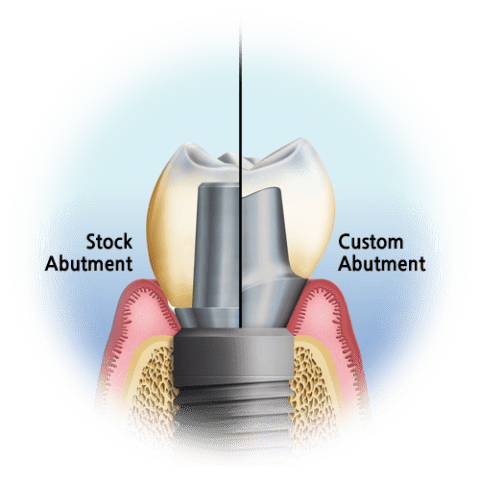
An abutment is the intermediate component connecting the implant and crown. At Harue, DR. Hanna Lee personally designs customized titanium abutments. This helps the implant harmonize with the gums and facilitates long-term hygiene.
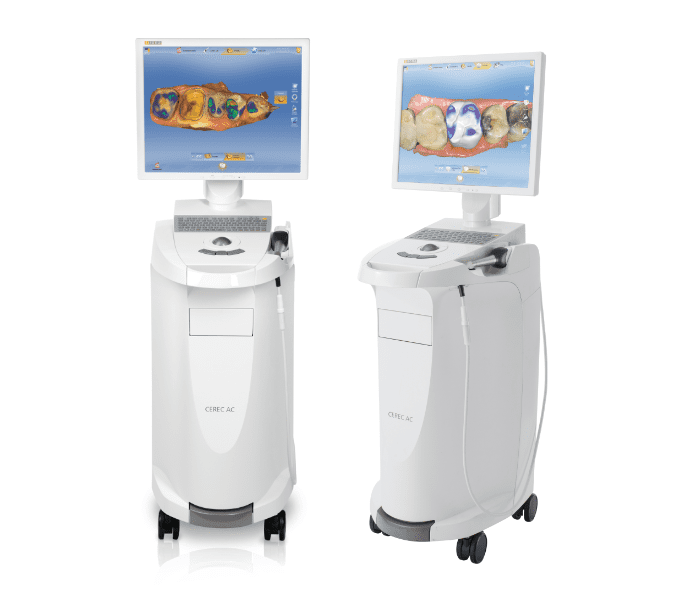
Implant restorations generally use PFM (metal-based) or zirconia (metal-free) crowns. At Harue, DR. Hanna Lee personally designs zirconia crowns, which are produced digitally in our own laboratory. A 3D camera simplifies the impression process. Restorations are designed in 3D, and advanced digital dental laboratory equipment worth KRW 5 billion is used to produce finely finished restorations.