
HYGIENE & INSTRUMENT CARE
Caring for instruments and the clinical environment
An introduction to the basic principles of cleaning, disinfection and sterilization of dental instruments and care of the clinical environment.
The following are general principles for instrument and environmental care in dental practice. Processing methods and times depend on the manufacturer’s instructions for the instrument, equipment and product, and on applicable requirements.
The hygiene information previously included in our facilities guide is presented here as a separate page.
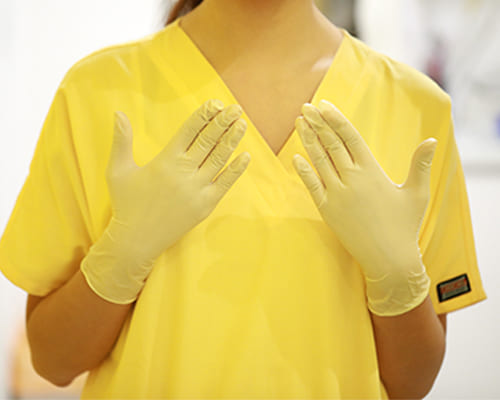
Responsibilities for instrument and environmental care
It is important to establish procedures for instrument processing and environmental care, and for the responsible staff to review relevant guidance and training.
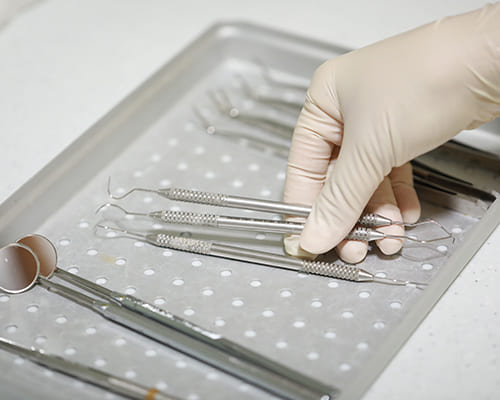
Separating and collecting used instruments
Single-use and reusable instruments must be distinguished. Used instruments should be collected and transported separately from clean instruments. Reprocessing depends on intended use, material and manufacturer instructions.
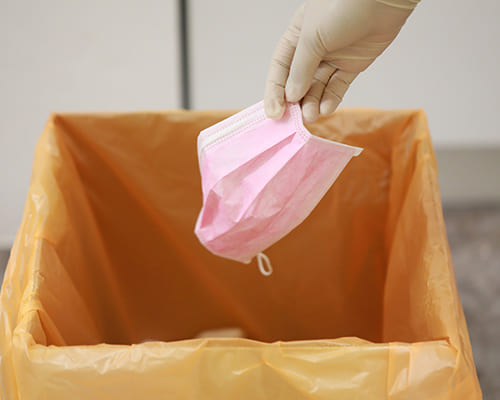
Disposal of single-use instruments
Used disposable instruments must not be reused and should be discarded according to the applicable disposal requirements.
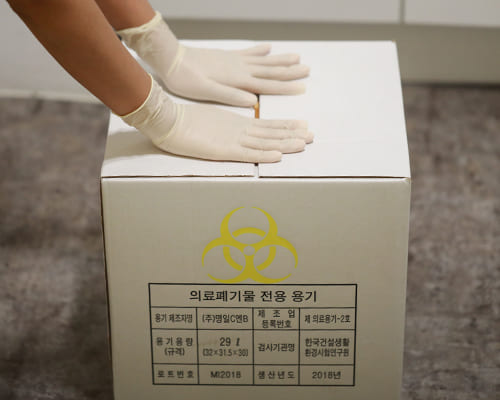
Managing healthcare waste
Healthcare waste should be segregated, stored and collected in accordance with the relevant requirements.
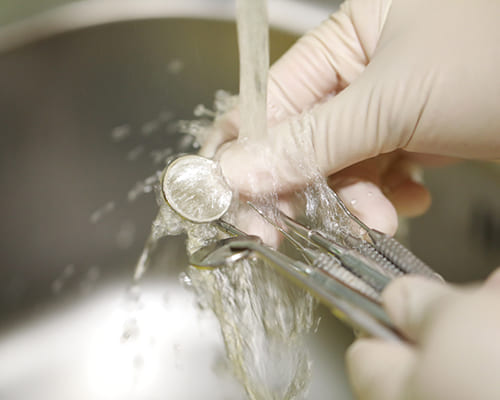
Cleaning instruments
Reusable instruments need cleaning to remove contamination before disinfection or sterilization. When handling sharp instruments, care is needed to prevent staff injuries and splashing of contaminants.
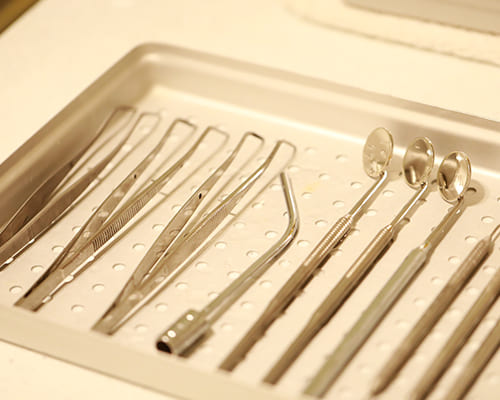
Choosing disinfection and sterilization methods
The required disinfection or sterilization method depends on the instrument’s use and material. Follow manufacturer instructions for the disinfectant type, concentration and contact time.

Rinsing and drying after cleaning
After detergents or chemicals are used, instruments should be rinsed and dried according to manufacturer instructions so residues do not remain. Cleaning does not replace required sterilization.
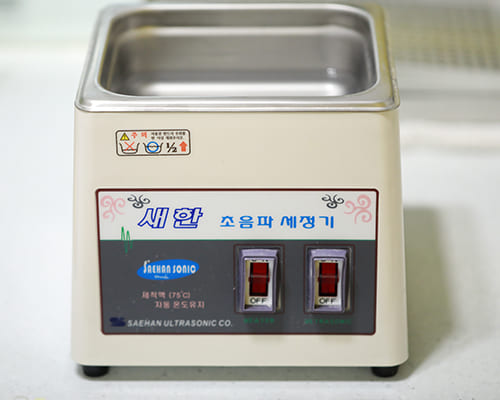
The role of ultrasonic cleaning
Ultrasonic cleaning helps remove contamination from instruments; it does not itself replace sterilization. Suitability and operating conditions should be checked against the instrument and equipment manufacturers’ instructions.
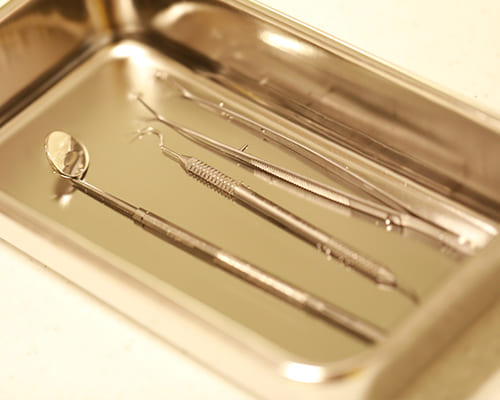
Standard Precautions for every patient
Standard Precautions apply to all patients. Instruments are processed according to use, contamination and manufacturer instructions. Additional precautions may be necessary for particular infections.
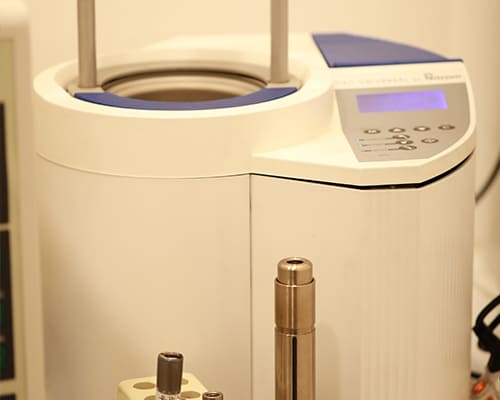
Cleaning and sterilizing handpieces
Reusable handpieces require cleaning, lubrication and heat sterilization between patients according to manufacturer instructions. Dedicated cleaning equipment or surface disinfection alone cannot replace required sterilization.

Caring for heat-sensitive instruments
The appropriate processing method for heat-sensitive instruments depends on the material and manufacturer instructions. Being made of plastic does not mean that all items can undergo the same disinfection or sterilization process.

Packaging for sterilization
After cleaning and thorough drying, instruments should be packaged in materials compatible with the sterilization method. Package integrity and labeling are important parts of management.
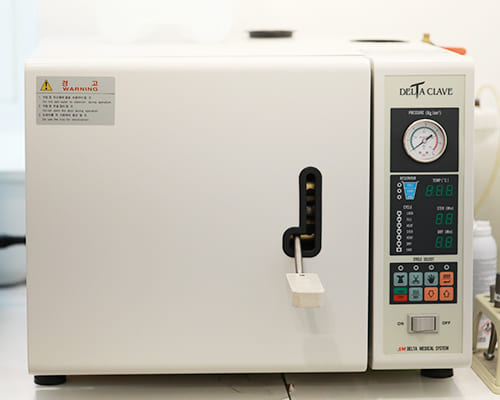
Conditions for steam sterilization
Steam sterilization temperature, pressure and time depend on the type of instrument, packaging, loading conditions and sterilizer manufacturer’s instructions. One processing time cannot be applied to every instrument.
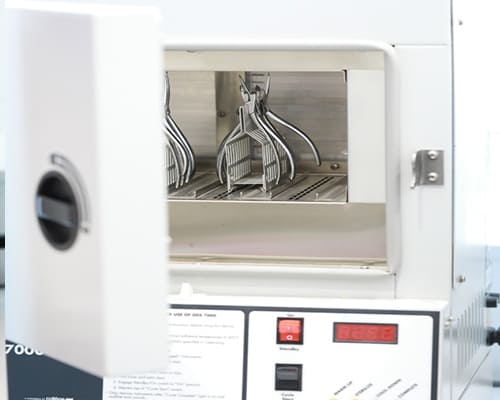
Cleaning and sterilizing orthodontic instruments
Appropriate cleaning and sterilization methods should be selected for reusable orthodontic instruments after checking their materials and manufacturer instructions.

Storing sterile instruments
Sterile instruments should be stored to prevent recontamination, protecting packages from damage and moisture. Check package integrity and labeling before use. Ultraviolet storage alone does not replace required cleaning and sterilization.
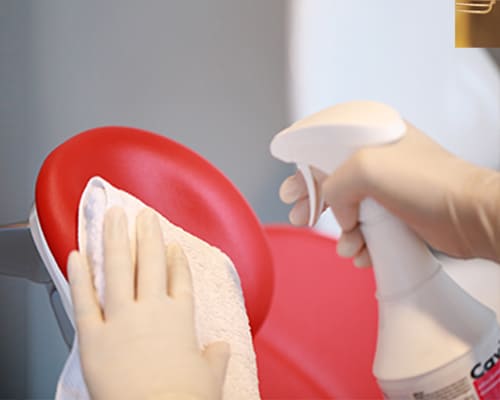
Caring for dental chairs and contact surfaces
Frequently touched clinical surfaces should be managed through measures such as replacing barriers or appropriate cleaning and disinfection, considering contamination and surface materials.

Cleaning and disinfecting the cuspidor
After use, remove residual contamination and clean and disinfect the cuspidor according to product and equipment instructions. Removing odors alone does not replace disinfection.

Hand hygiene and personal protective equipment
Perform appropriate hand hygiene before and after care, and use masks, gloves and other protective equipment appropriate to the exposure risk. Wearing gloves does not replace hand hygiene.
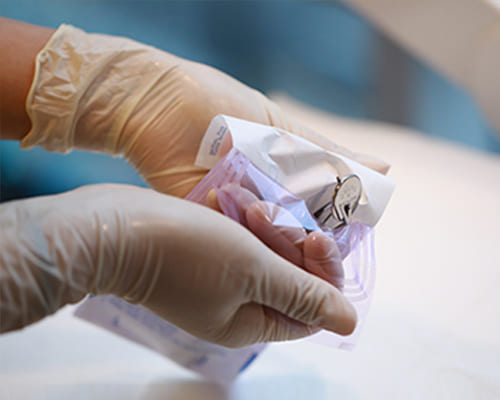
Checking and opening packages before use
Check sterile packages for damage and moisture before use, then open and handle them without contamination. Damaged or wet packages should not be used as they are; assess the need for reprocessing.
Explore the spaces at Harue Dental Clinic
See photographs of our waiting areas, consultation and treatment rooms, and in-house laboratory.
Tour our clinic →