
When gums bleed and teeth look yellow, we first assess gum health and the reasons for tooth color separately.
This patient was concerned about bleeding gums and yellow teeth. Veneer treatment to improve the front teeth’s color and shape was completed on December 22, 2015, in a single day, and the after-treatment photographs were taken the next day.
Gum assessment and treatment to change tooth color and shape must each be considered according to their own purpose.
1. Bleeding gums and yellow teeth: before and after
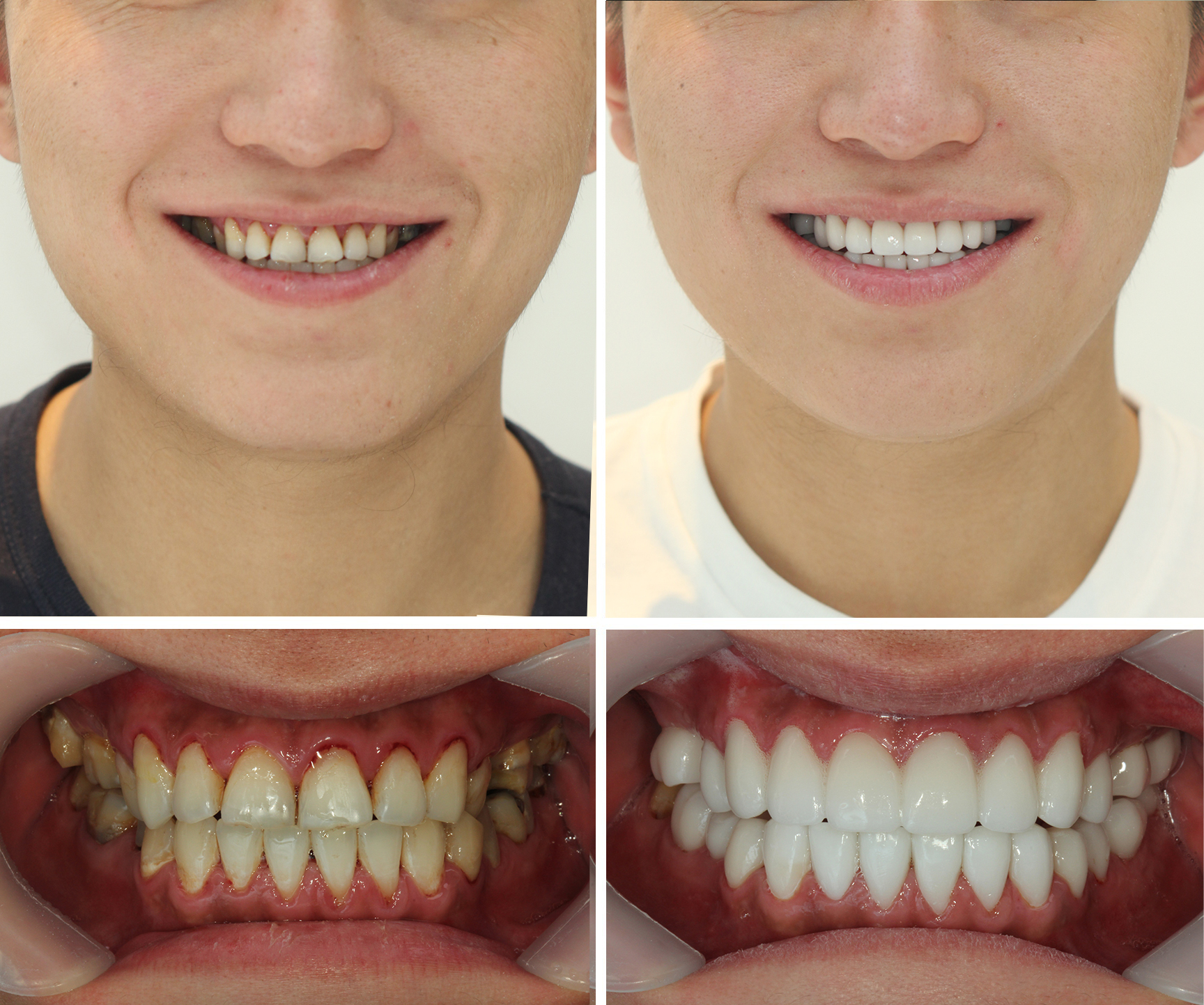
Smile photographs above; frontal intraoral views below.
2. Assessing the gums before focusing on tooth color
The frontal before-treatment photograph shows yellow tooth color, redness at the gum margins and bleeding. We also needed to examine the spaces between teeth and the margins next to the gums.
Veneers themselves do not treat the cause of gum bleeding. If bleeding occurs, we examine its cause and check for problems such as gum disease or decay that may need treatment first.
In this case, veneer treatment was planned with consideration of gum condition as well as front-tooth color and shape.
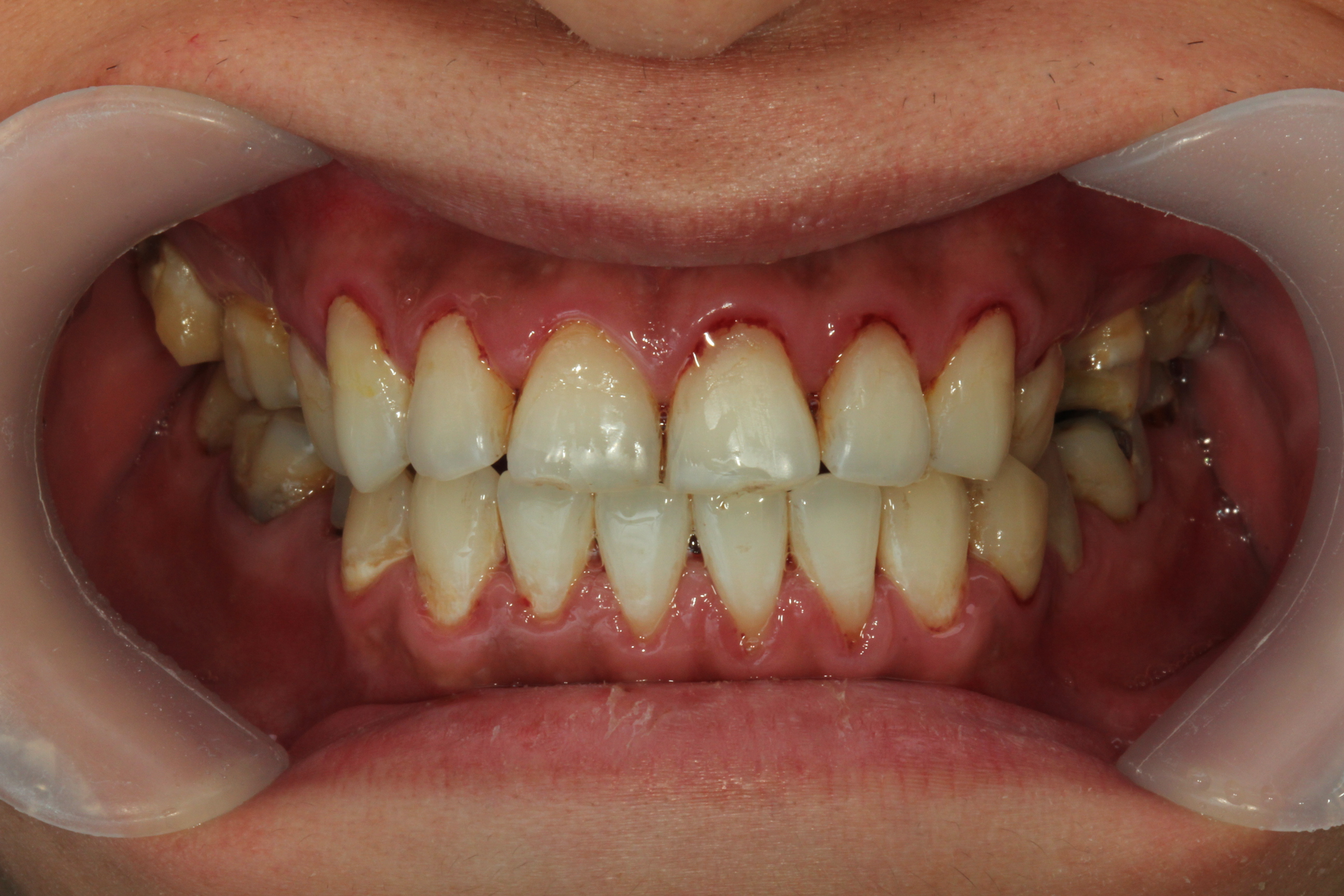
3. Before-treatment views from both sides
We assessed tooth color, spaces and alignment from both oblique views as well as the front. Planning front-tooth shape also requires consideration of the teeth visible when smiling and the bite.
A concern about tooth color does not mean everyone needs the same treatment. The choice depends on whether the issue is surface staining, the tooth’s intrinsic color, or a need to change shape as well.
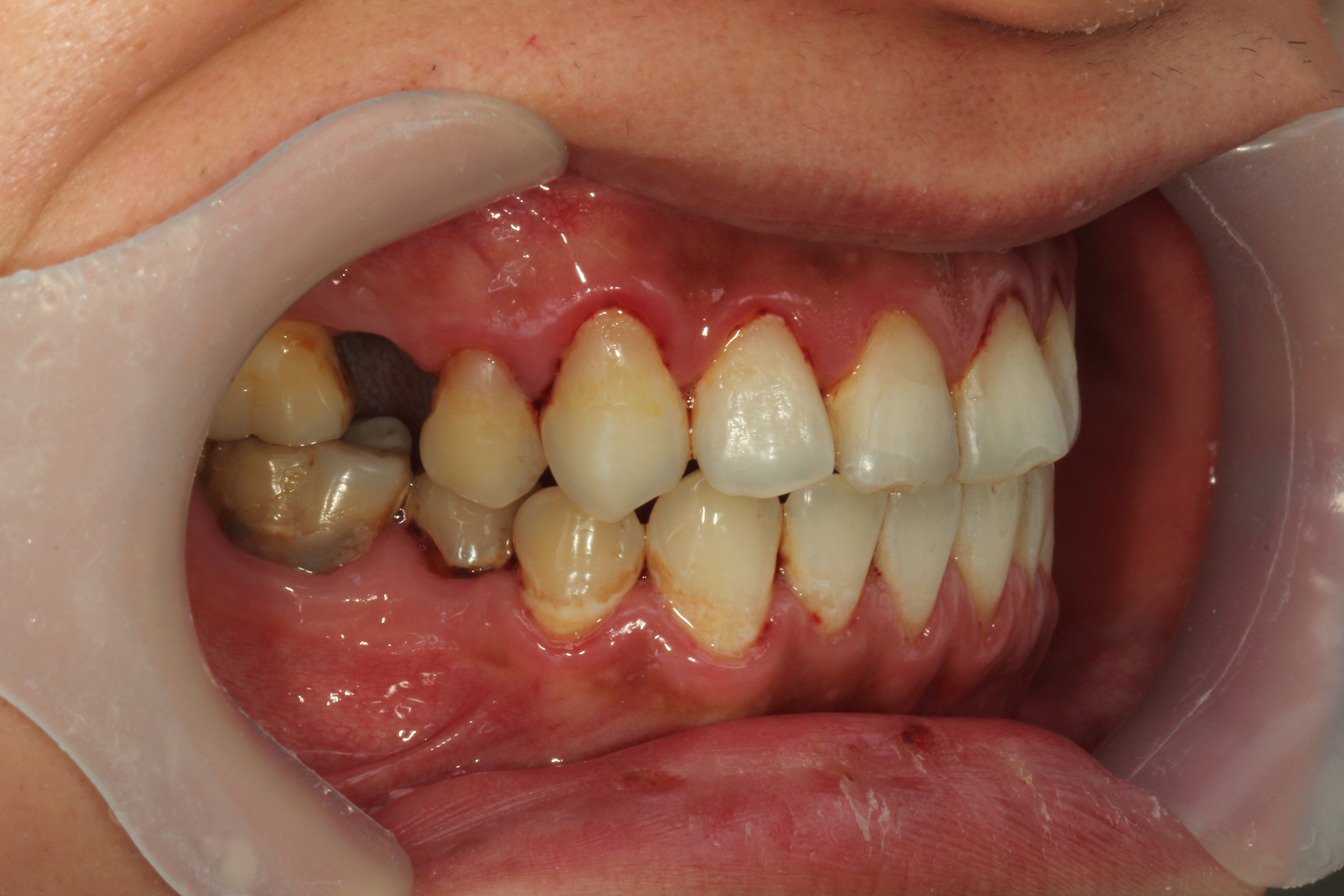
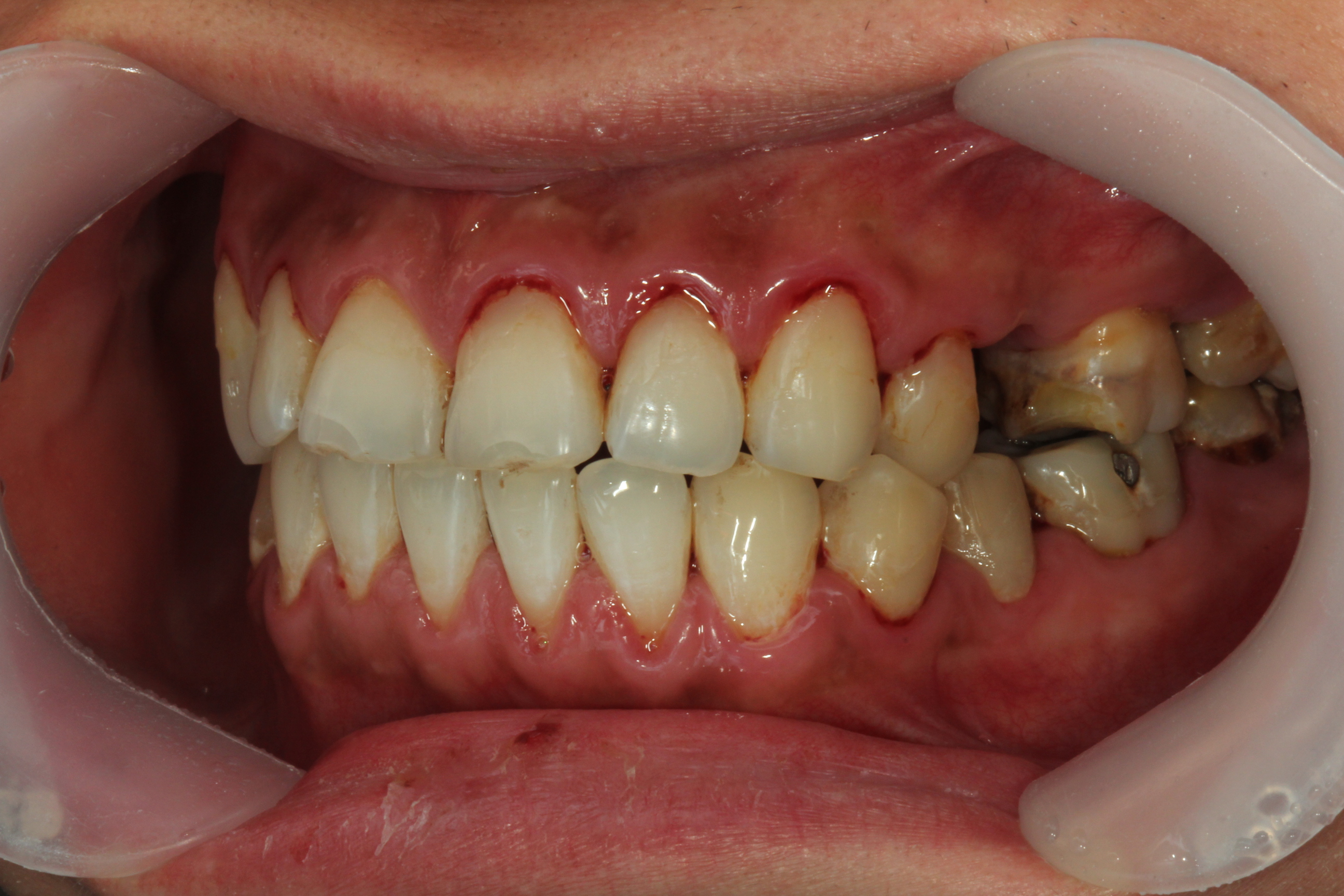
4. Frontal and oblique views after veneers
These photographs were taken on December 23, the day after treatment was completed on December 22, 2015. Frontal and both oblique views allow comparison of the front teeth’s color and shape.
The treatment completion date and the date of after-treatment photographs can differ. Here, the same-day treatment record is distinguished from the photographs taken the following day.
The possible treatment extent and schedule vary with the teeth, gums, bite and any additional treatment needed.

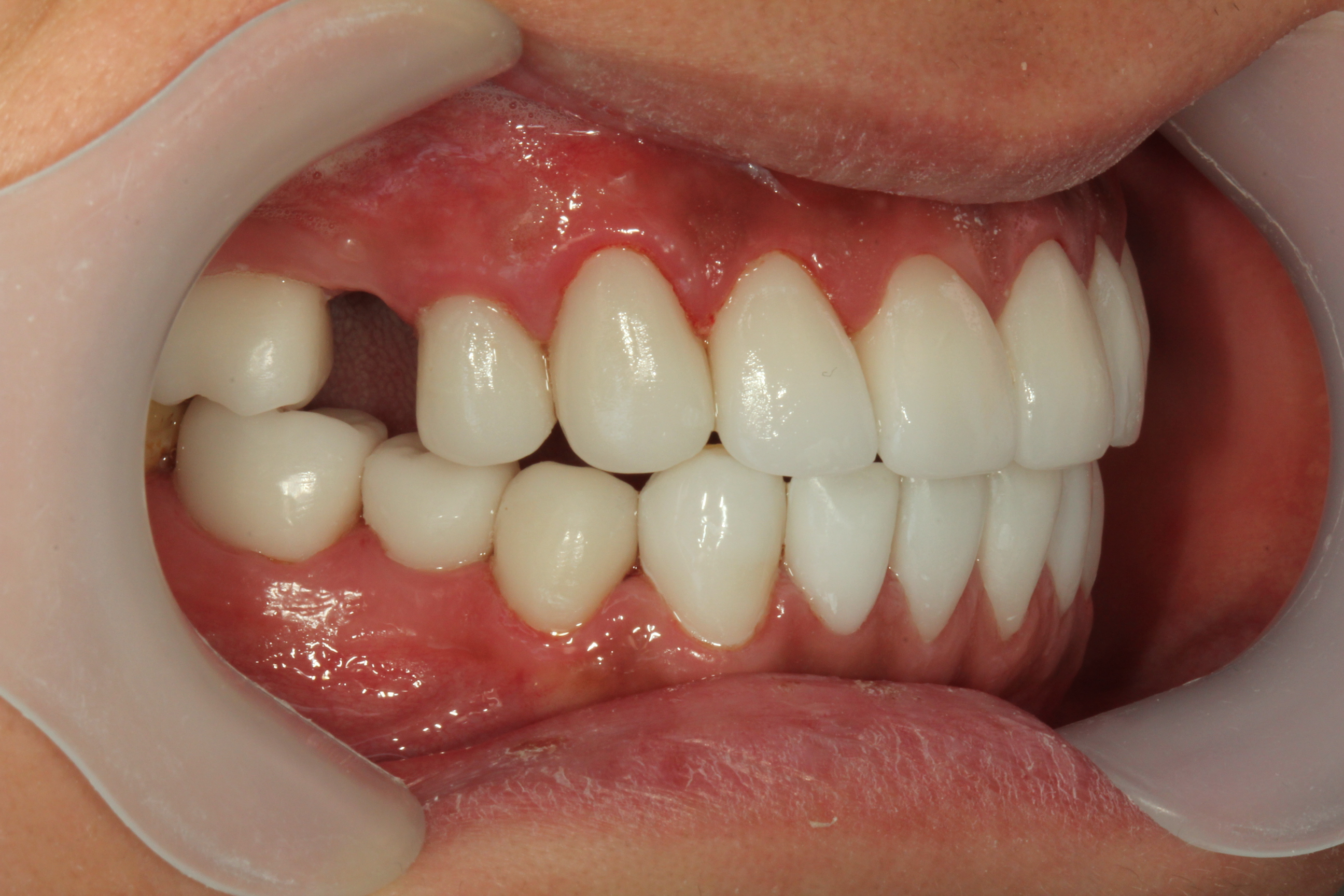
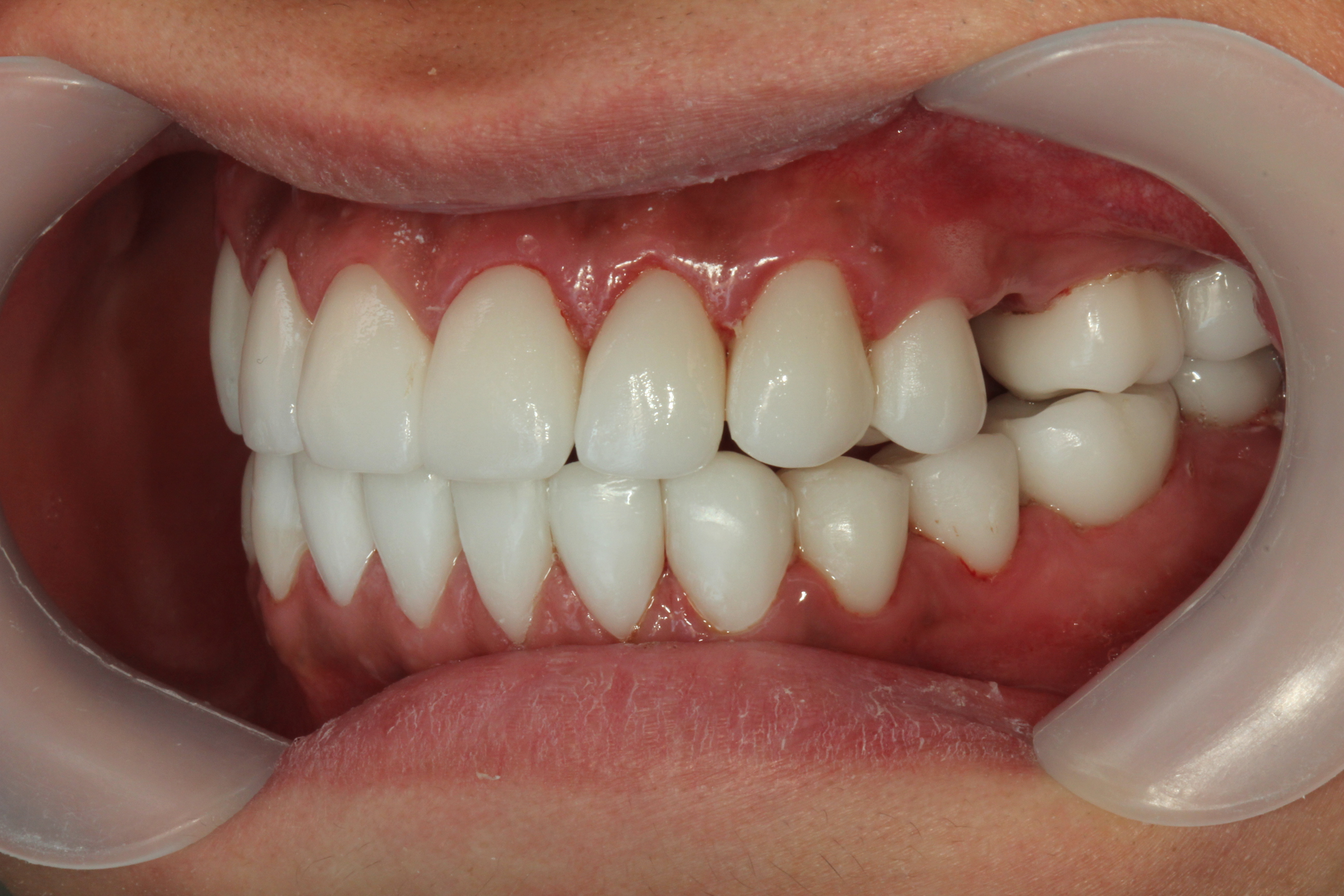
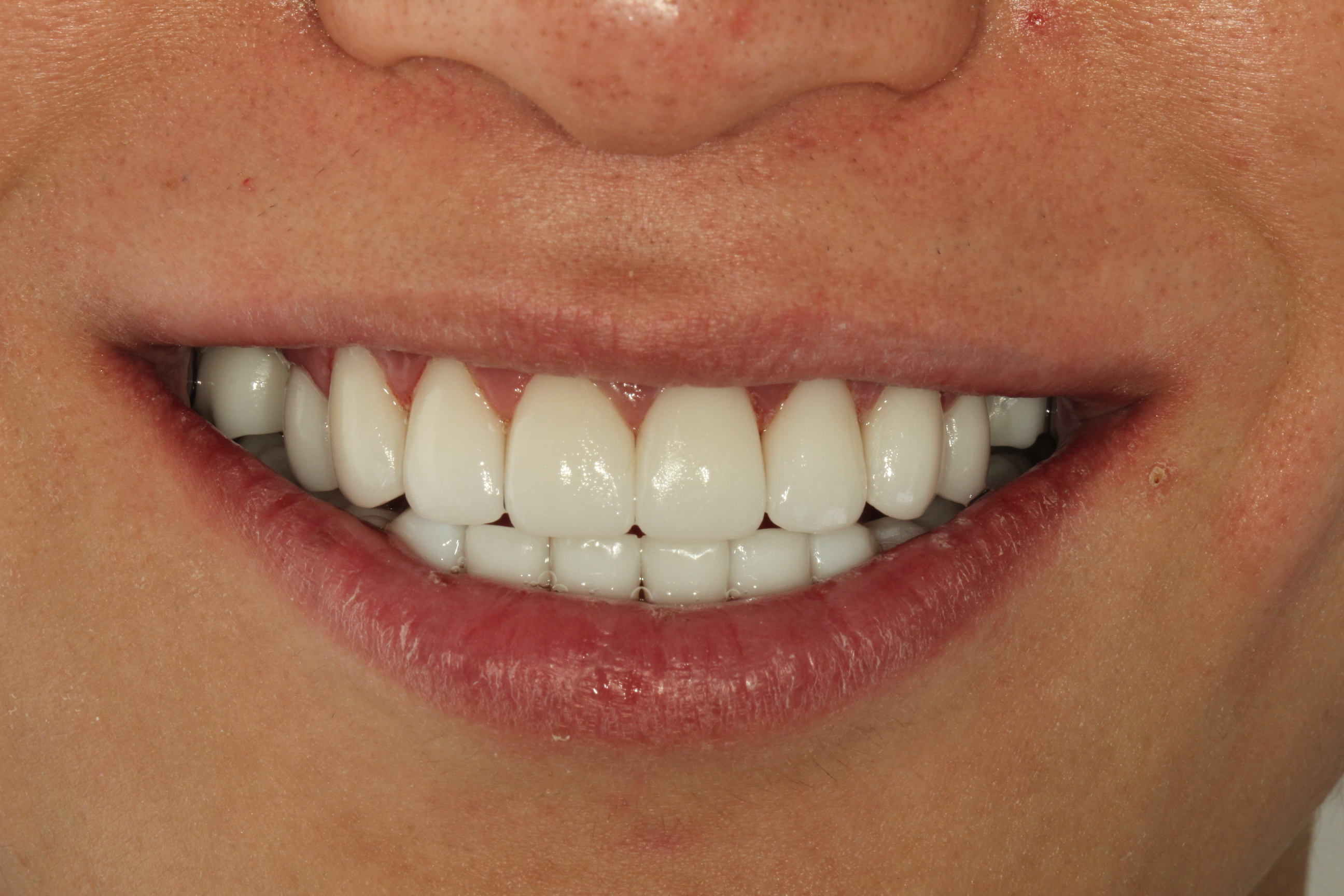
5. Changes in the smile and ongoing care
Alongside close-up intraoral photographs, smile photographs help us assess tooth color, length and overall harmony. The before-and-after smiles also appear in the comparison near the top of this article.
Care for natural teeth and gums continues after treatment. Keep brushing and cleaning between teeth, and have the gums and veneer margins checked regularly.
Veneers can fracture or come off and may need repair, rebonding or replacement. Tooth tissue removed for treatment cannot be restored, so the treatment extent and alternatives should be discussed carefully before deciding.
6. Frequently asked questions
Can I have veneers first if my gums are bleeding?
We first assess the cause of bleeding and the gum condition. If gum disease or decay is present, we provide the necessary treatment first and then decide when cosmetic treatment is appropriate.
Do all yellow teeth need veneers?
The choice depends on tooth color and shape, existing restorations and the desired changes. Wanting a color change alone can lead to a different choice from wanting to improve shape as well.
Do next-day after-treatment photographs mean two days of treatment?
In this case, treatment was completed on December 22, 2015, and after-treatment photographs were taken on December 23. The interval between photographs is distinct from the actual treatment duration.
7. Finding an approach suited to your teeth
If bleeding gums and tooth color both concern you, we will first assess the causes of both issues and the appropriate order of treatment.
Book a consultationVeneer treatment guideVeneers after about six weeks of orthodontics: a treatment case