
When front-tooth edges become thin and short, looking only at the smile-facing surfaces can miss damage. This case involved erosion on the backs as well as the edges of the front teeth. Four upper teeth received veneers designed to extend from the front over the edges onto the backs. The plan aimed to restore shortened contours and protect the eroded palatal surfaces.
Treatment for eroded front teeth considers both appearance and protection of the remaining tissue. Managing the sources of acid exposure remains important afterward.
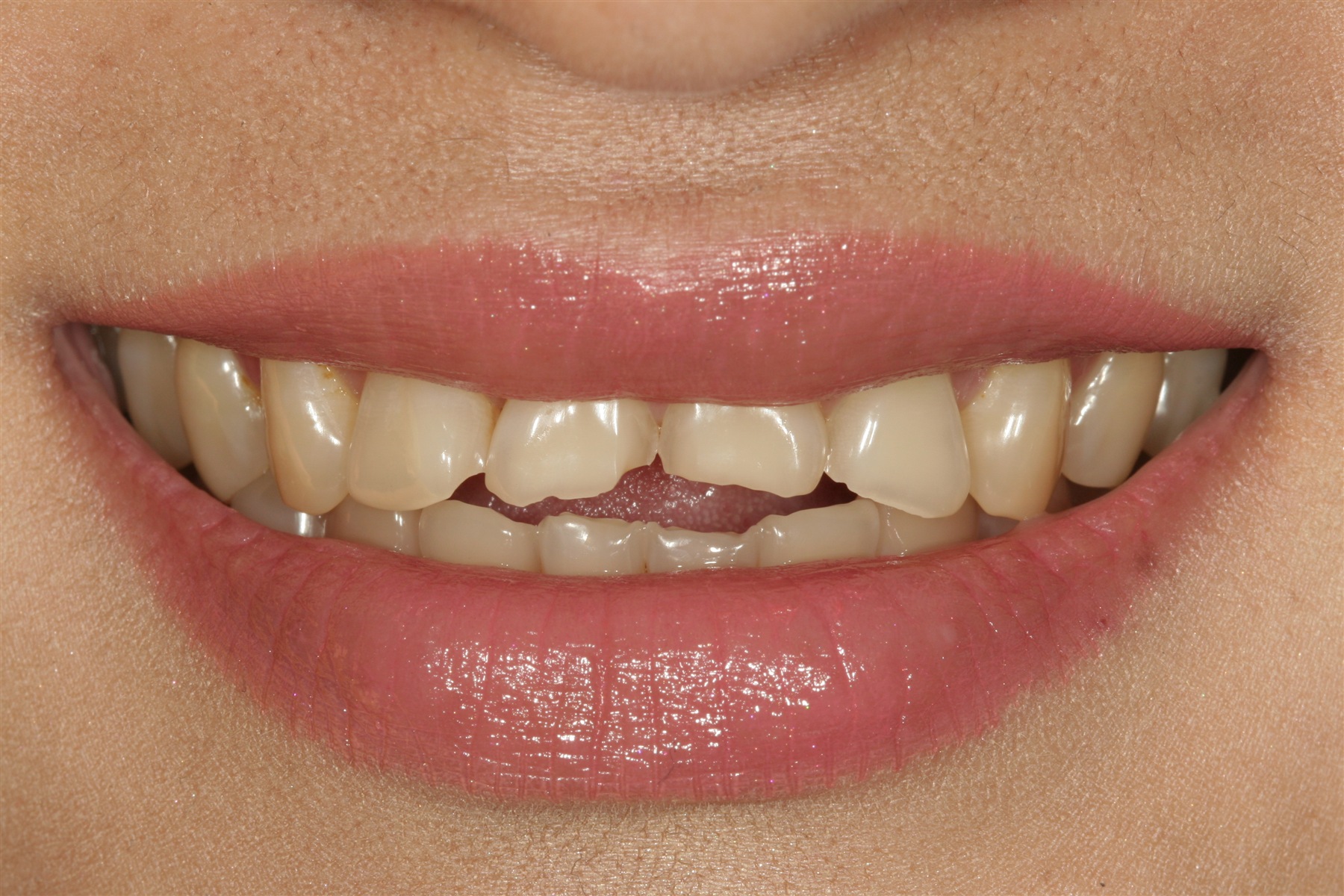
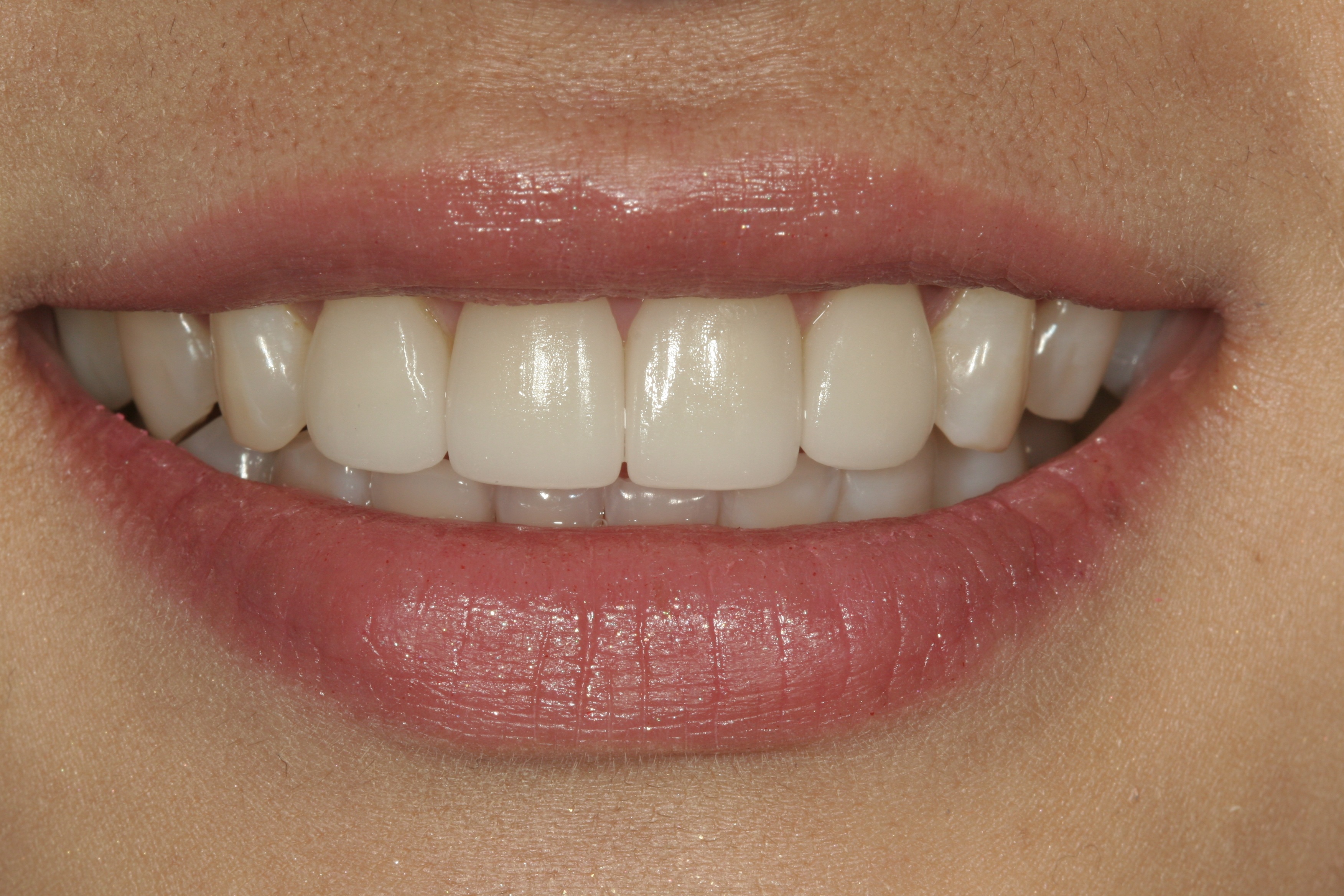
1. Assessing Why the Front Teeth Became Shorter
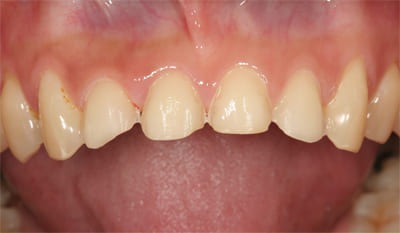
The central upper edges were short and uneven, with notches and irregular transitions to adjacent teeth. Retracted close-up views show the remaining tooth contours more clearly than smile photographs.
Dental erosion is loss of hard tooth tissue through acid exposure. It differs from decay, in which bacterial acid is central. Biting forces and friction can add to edge loss in teeth thinned by erosion.
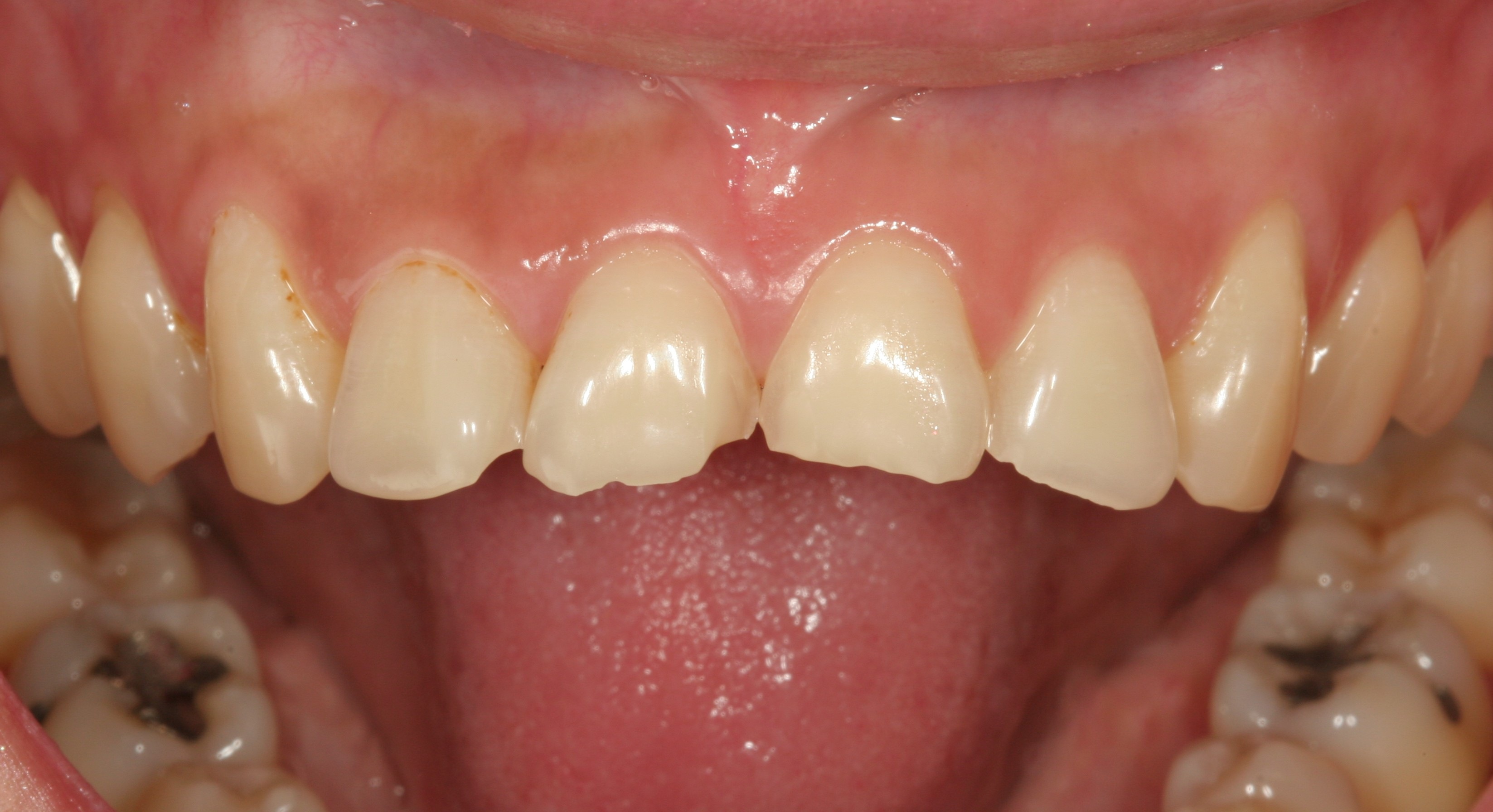
2. Erosion Associated with Eating Disorders: Why Check the Backs?
Repeated vomiting in eating disorders can expose teeth to stomach acid. With this pattern, damage is often particularly noticeable on the palatal surfaces of upper front teeth. The front may appear relatively intact while the tooth has thinned from behind.
This case also had palatal erosion. We assessed the extent of loss, remaining thickness and lower-tooth contacts, alongside the shortened edges.
Erosion alone does not diagnose an eating disorder. Reflux, acidic foods and drinks, and saliva also need assessment. Repeated vomiting or reflux calls for relevant medical care alongside dental care.
3. Assessing the Remaining Teeth before Veneers
Four upper front teeth were restored. We prepared them to regain edge length and form while considering tissue already lost through erosion.
The photograph shows contour preparation before veneer bonding, with natural tooth tissue remaining.
Veneers may require preparation depending on tooth condition and design. Removed tissue is irreversible; sensitivity, fracture, debonding and retreatment can occur. Bonding conditions and the bite inform the choice.
4. Four Veneers Designed to Extend onto the Backs
Palatal erosion requires more than adjustment of the visible fronts. We consider remaining thickness, protection of damaged surfaces and how lower-front contacts transmit forces.
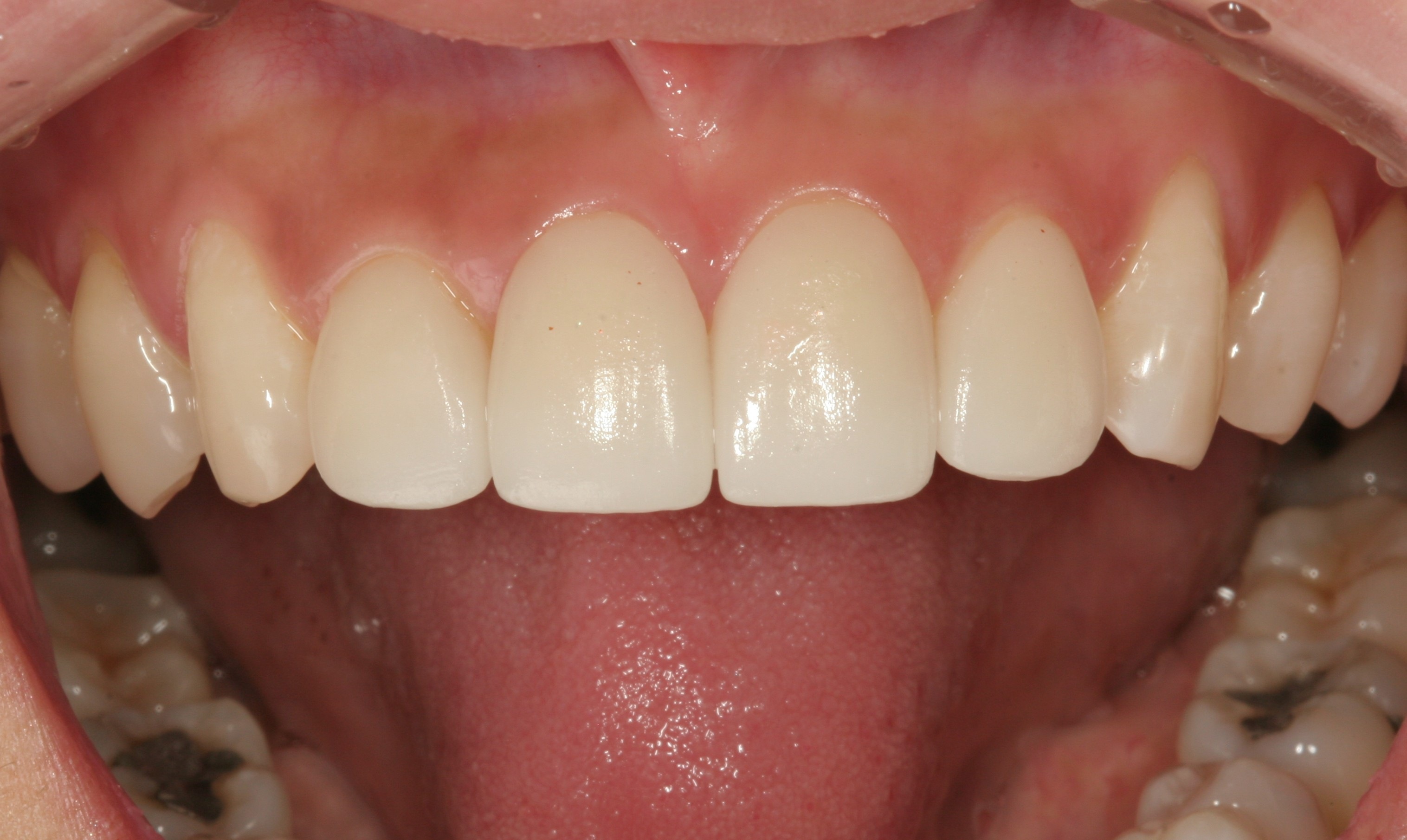
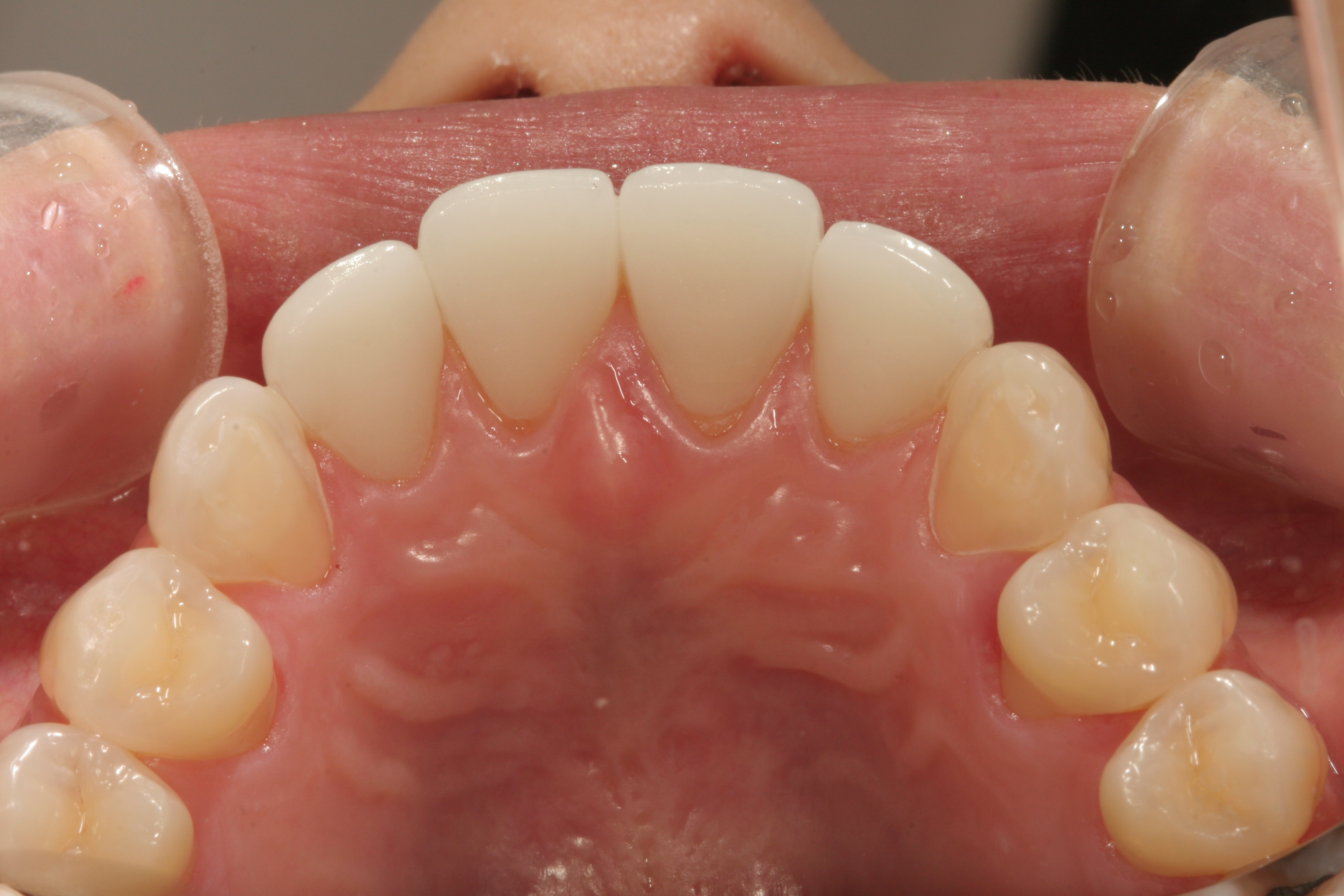
The four upper veneers were designed to extend onto the palatal surfaces. The restored area included the eroded backs as well as the front contours and shortened edges.
The palatal view was photographed at the one-week review on 6 December 2006. It shows the veneer extensions, margins and remaining teeth.
Palatal erosion does not automatically mean every tooth needs a full crown. Composite, partial restorations including veneers, or crowns are selected according to tissue loss, bonding surfaces and the bite.
5. Comparing Frontal and Side Views
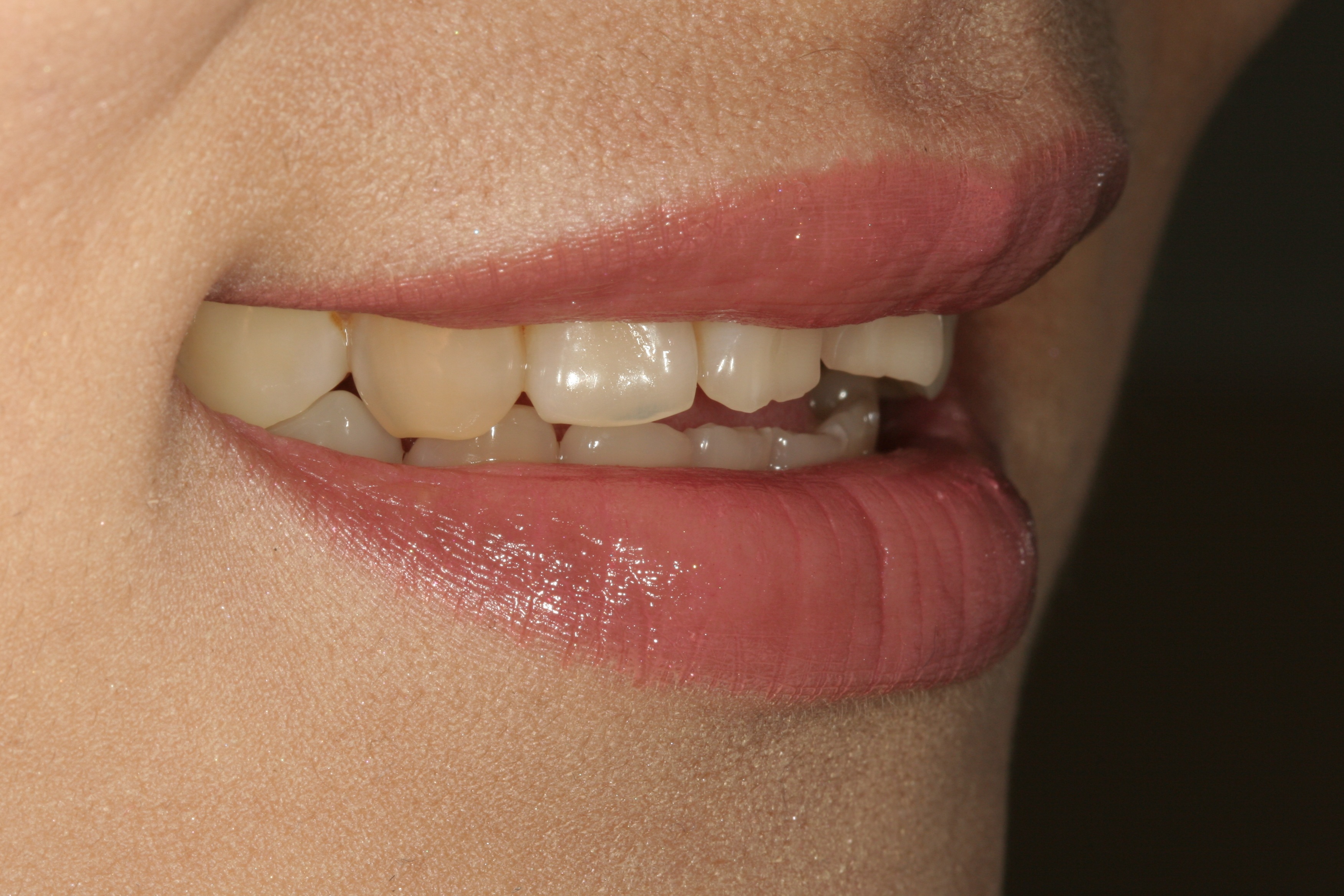
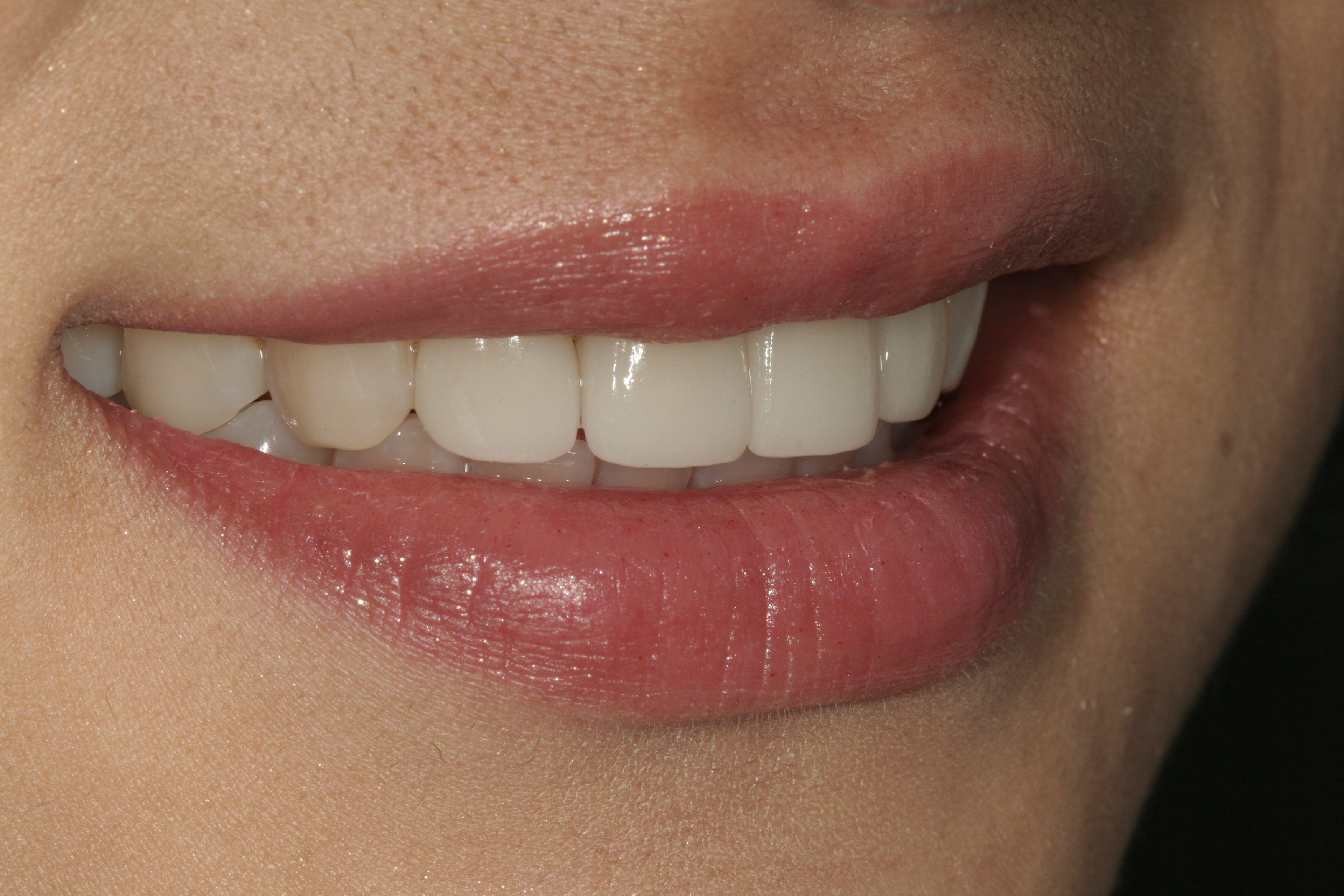
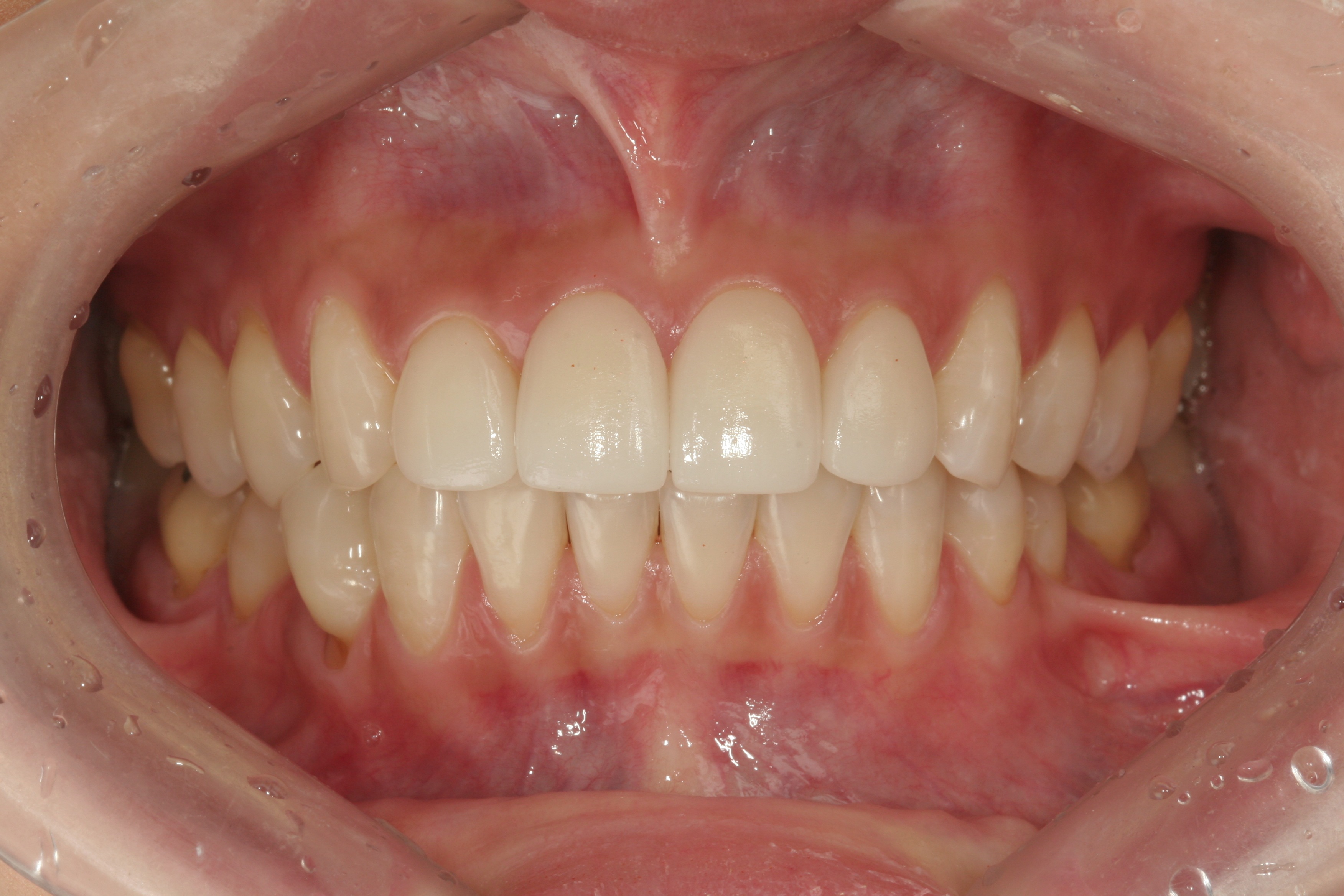
At the one-week review on 6 December 2006, the photographs show restored upper-front length and edge transitions. Frontal and side views assess whether central incisors look too long, how they connect to neighbors and how they appear within the lips.
Retracted views also show restoration/gum margins and tooth relationships. Clinical examination includes contacts during closure and movement.
First side of the smile
The opposite side of the smile
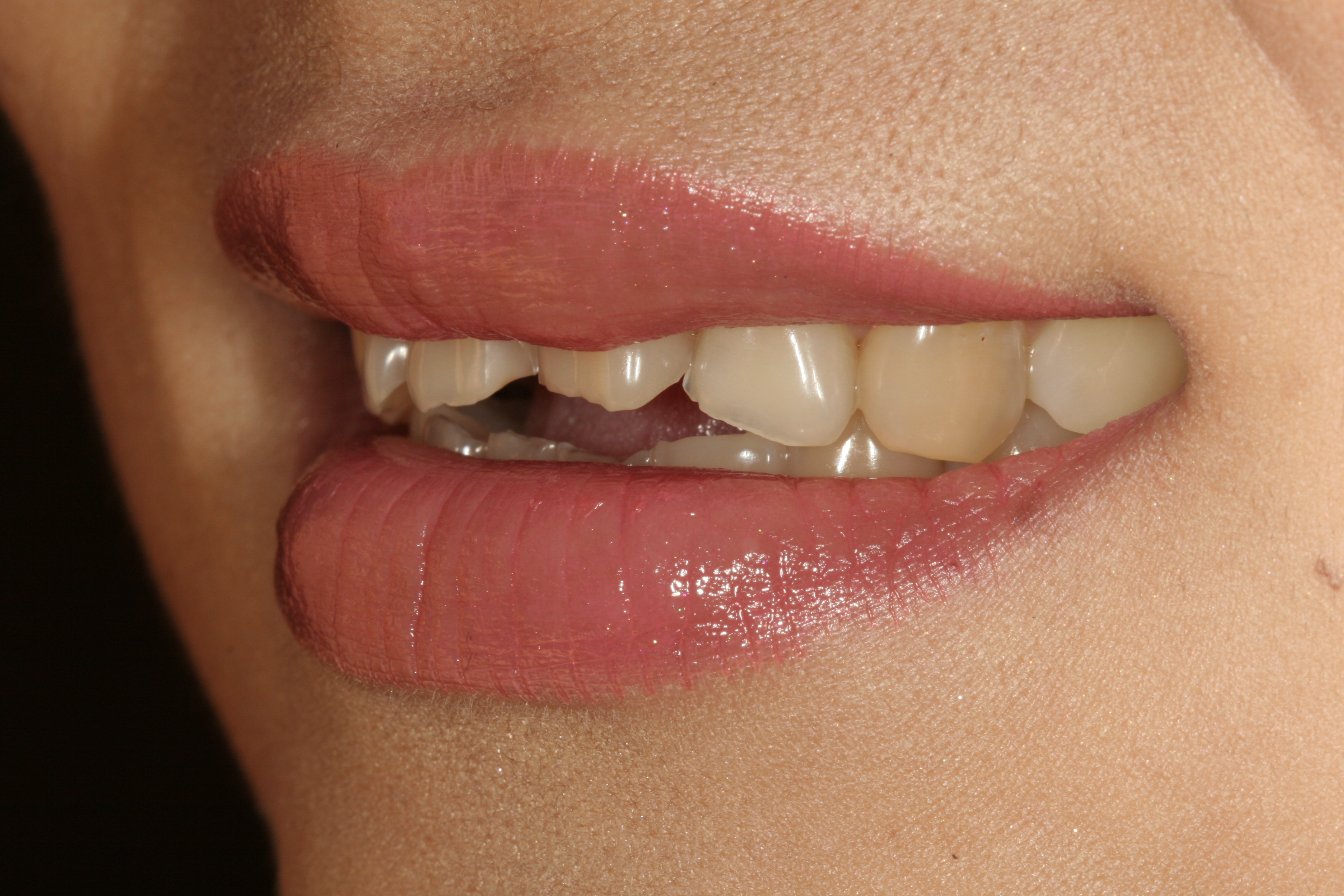
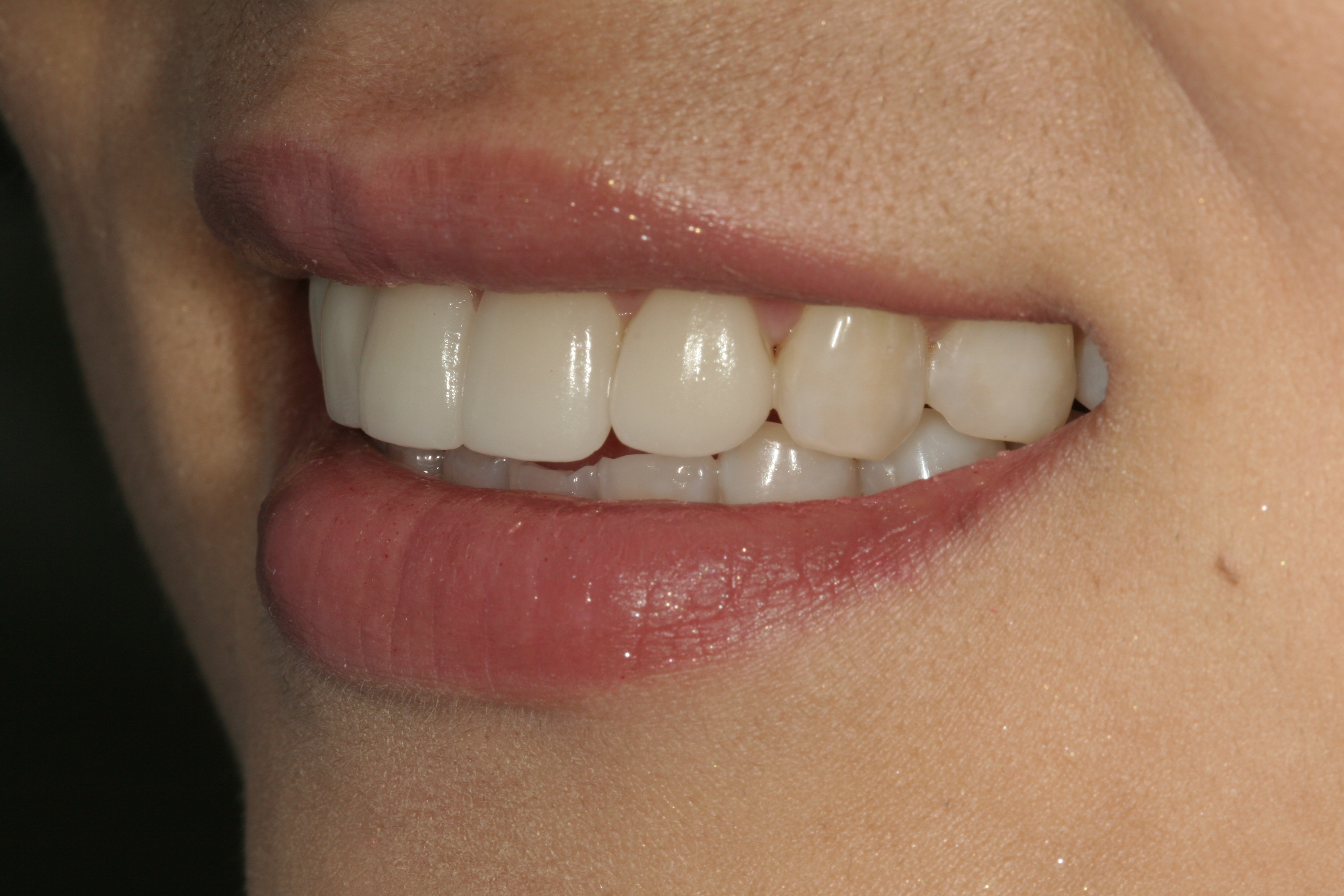
Retracted frontal views
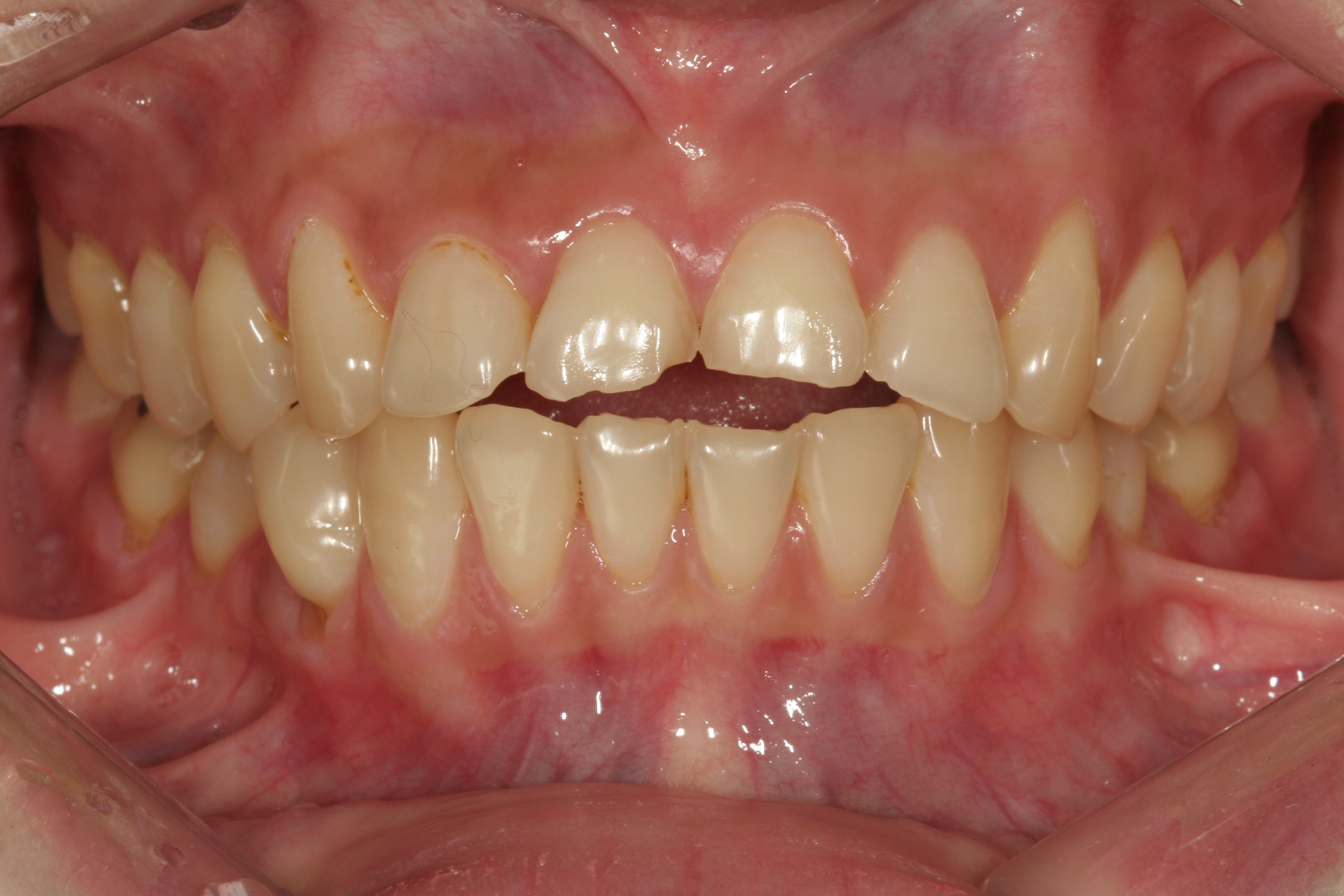
First intraoral side
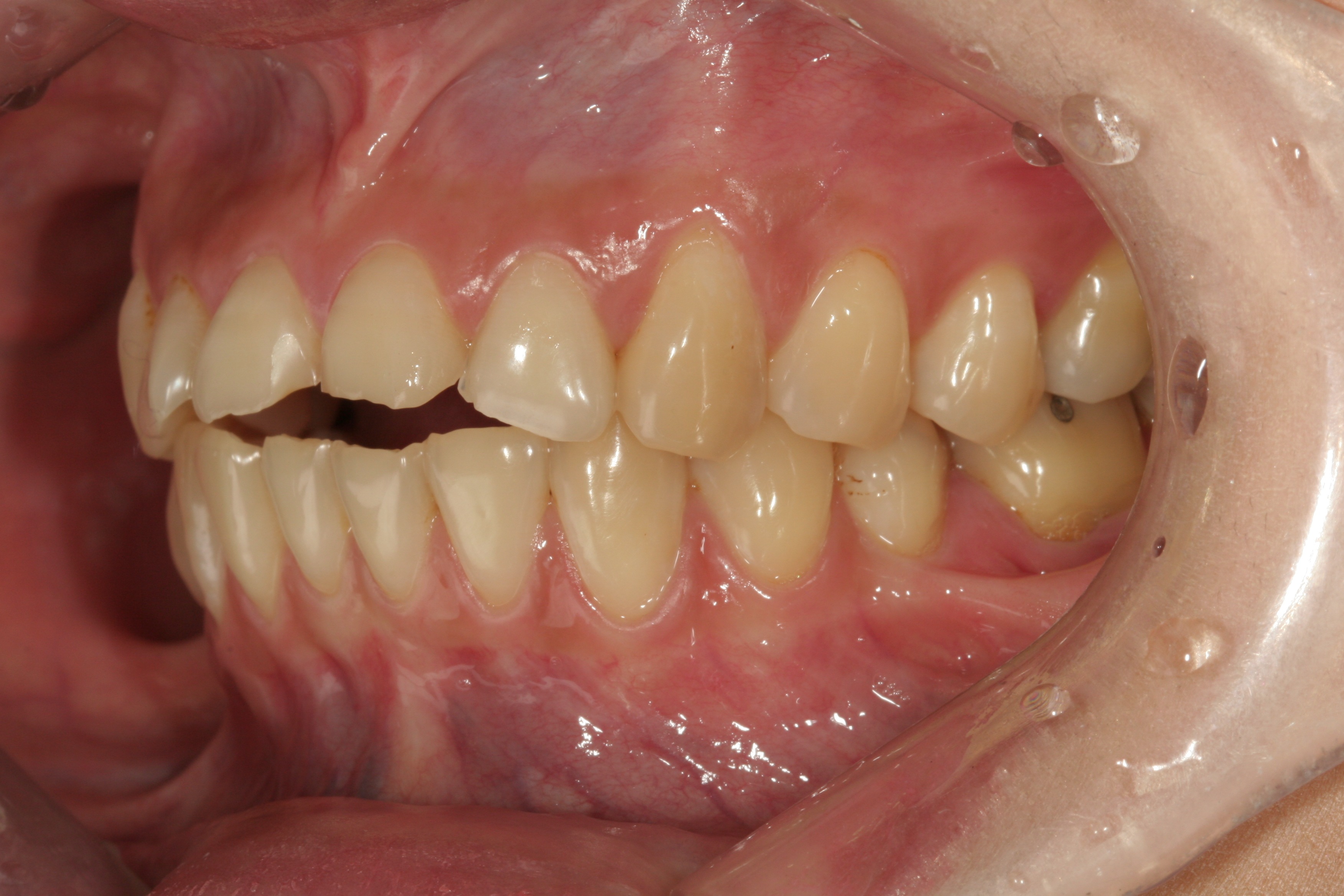
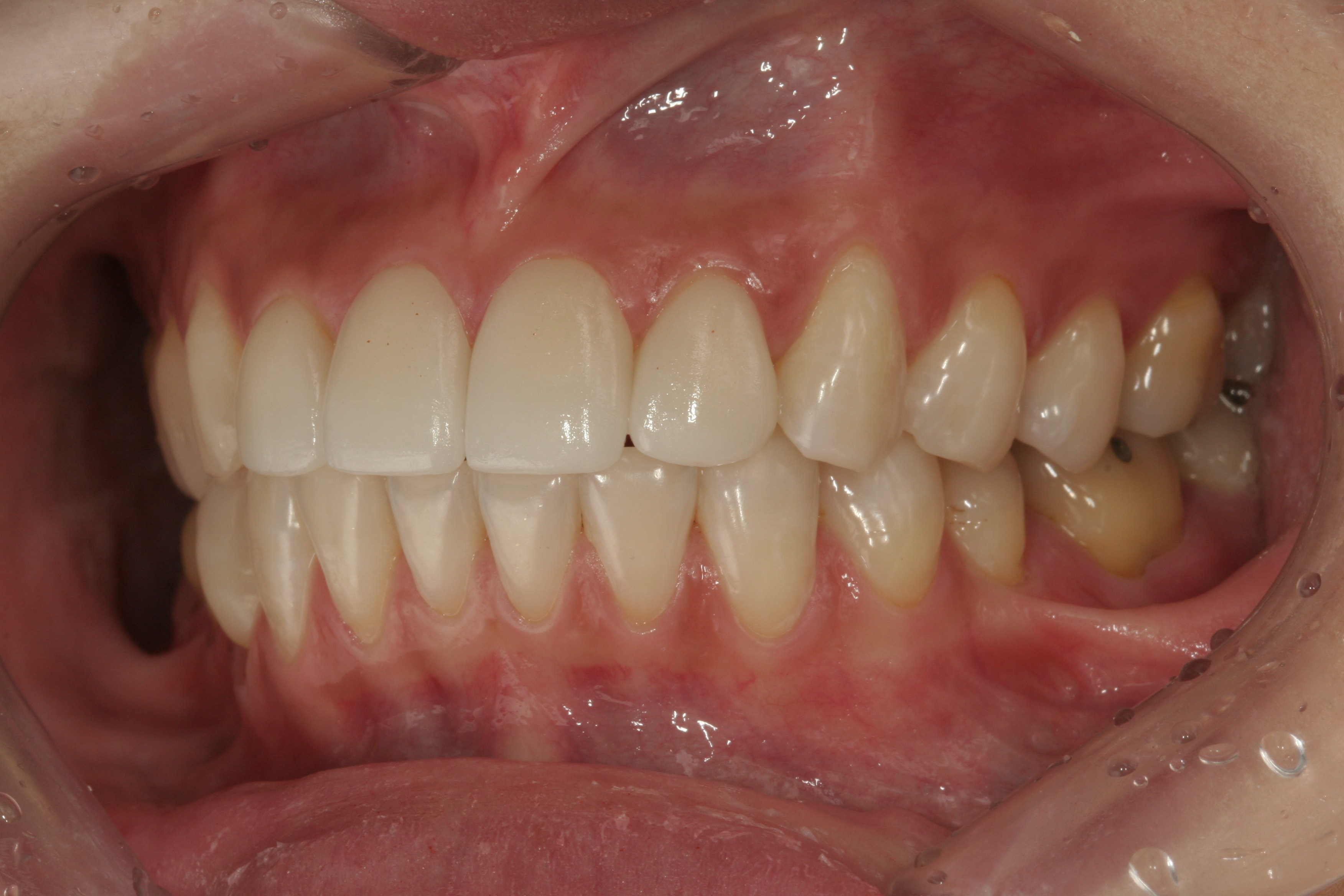
The opposite intraoral side
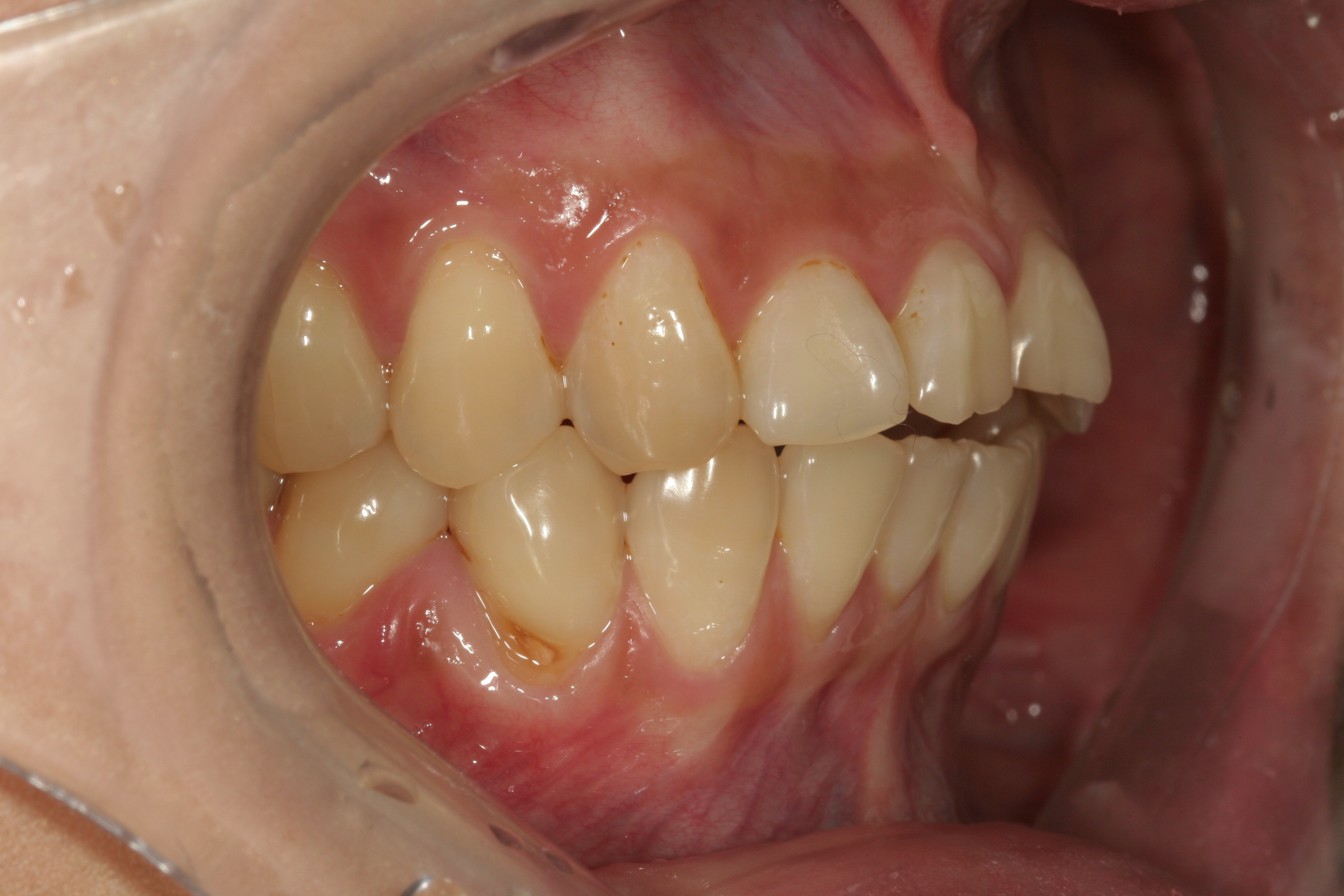
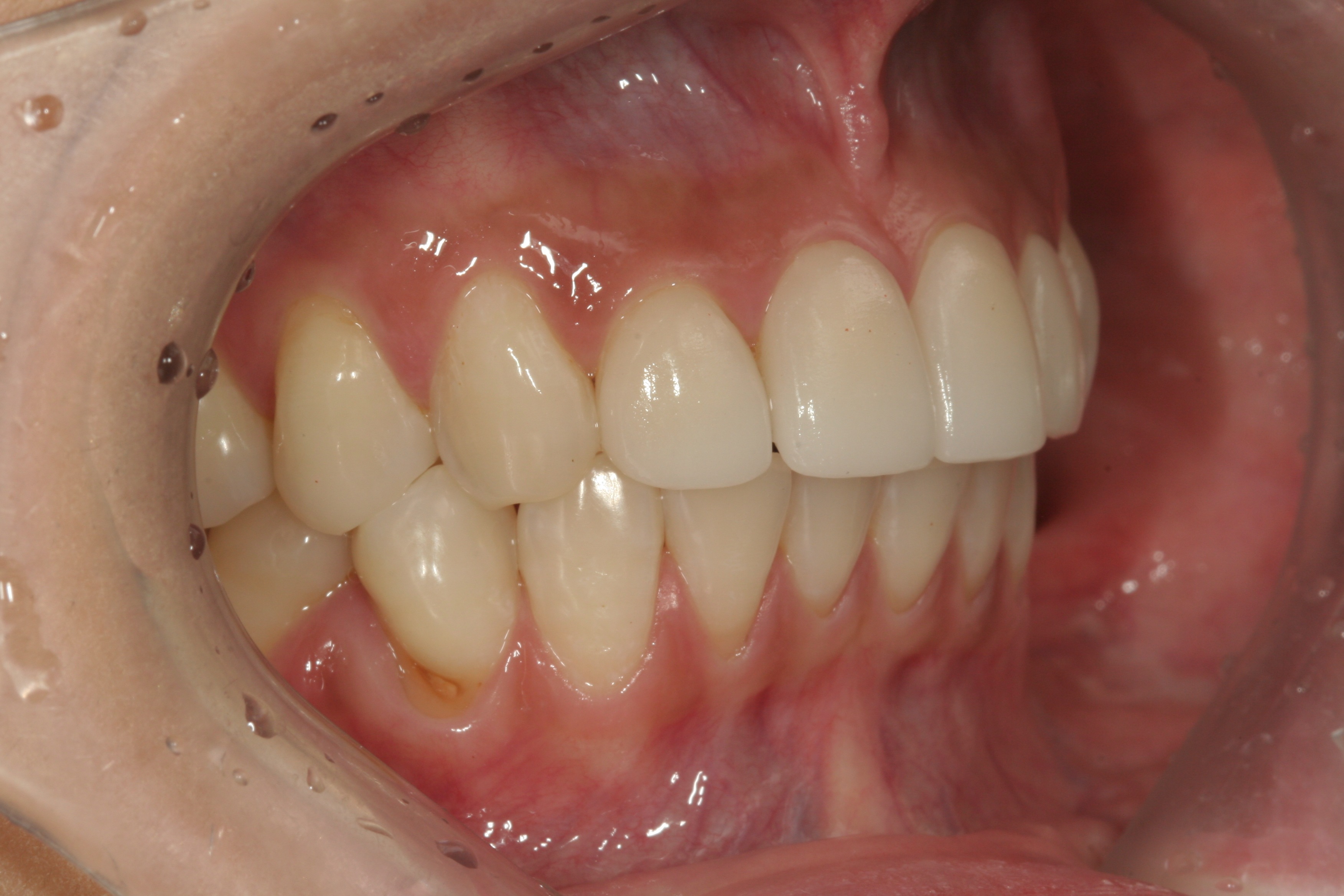
6. Managing Erosion Causes after Restoring Shape
Veneers and crowns do not treat the cause of vomiting or reflux. Repeated acid exposure can affect the tooth tissue remaining around restorations.
Seek appropriate care for recurrent vomiting or reflux. Rinse with water after vomiting and avoid vigorous brushing immediately afterward. Use fluoride toothpaste and a soft brush, and clean between teeth.
Reduce prolonged sipping or holding acidic drinks in the mouth. Regular checks assess further erosion, sensitivity, margins and the bite. Seek care for chipping or persistent sensitivity.
7. Frequently Asked Questions
Can the backs erode even if the fronts look intact?
Yes. Erosion associated with repeated vomiting or reflux can be prominent on upper palatal surfaces. We examine the inner surfaces and edges as well as the visible fronts.
Does palatal erosion always require crowns?
No. Composite or partial restorations may be suitable depending on remaining tissue, bonding surfaces and the bite. Crowns may be considered for extensive damage and weakened teeth. These four veneers are not a universal treatment for all erosion.
Will the lost tooth tissue grow back?
Lost tooth contours do not regrow to their original length. Managing the cause limits further loss; restorations can supplement form and function where needed.
When were the photographs taken?
Before-treatment photos are dated 11 November 2006; the one-week review photos are dated 6 December 2006. Preparation photos are labeled as an intermediate stage on 11 November.
8. Discussing Treatment for the Extent of Damage
If teeth shorten or edges repeatedly chip, assess the backs and bite as well as appearance. I consider what can be preserved and how to protect it before deciding how much to cover.
Consultation · 1544-0208Veneer treatment guideCare after treatmentGeneral information references: American Dental Association: dental erosion and stomach acid · UK health guidance: preventing and managing tooth wear