
SINCE 1995 · Harue Dental
Harue Dental Orthodontics Treatment Guide
We consider alignment, the bite and harmony in your smile together.
We assess your teeth and gums and plan an orthodontic approach suited to you.
01 · Orthodontic basics
Considering alignment and the bite together
Orthodontics: what does it involve?
Orthodontic appliances gradually move teeth to improve alignment and the upper–lower bite. Crowding, spaces, protrusion and overlapping teeth are assessed together with tooth and gum health.
The visible front teeth alone do not determine treatment scope. Oral examination, appropriate radiographs and scans help assess roots, supporting bone and the overall bite before discussing suitability and extent.
① Teeth and gums Assessment
We check whether decay or gum disease needs treatment first, along with available space, roots and existing restorations.
② Lifestyle and treatment goals Consultation
We discuss your concerns, appliance visibility, wear and maintenance. The plan considers duration, limitations and fees.
02 · Actual before-and-after record
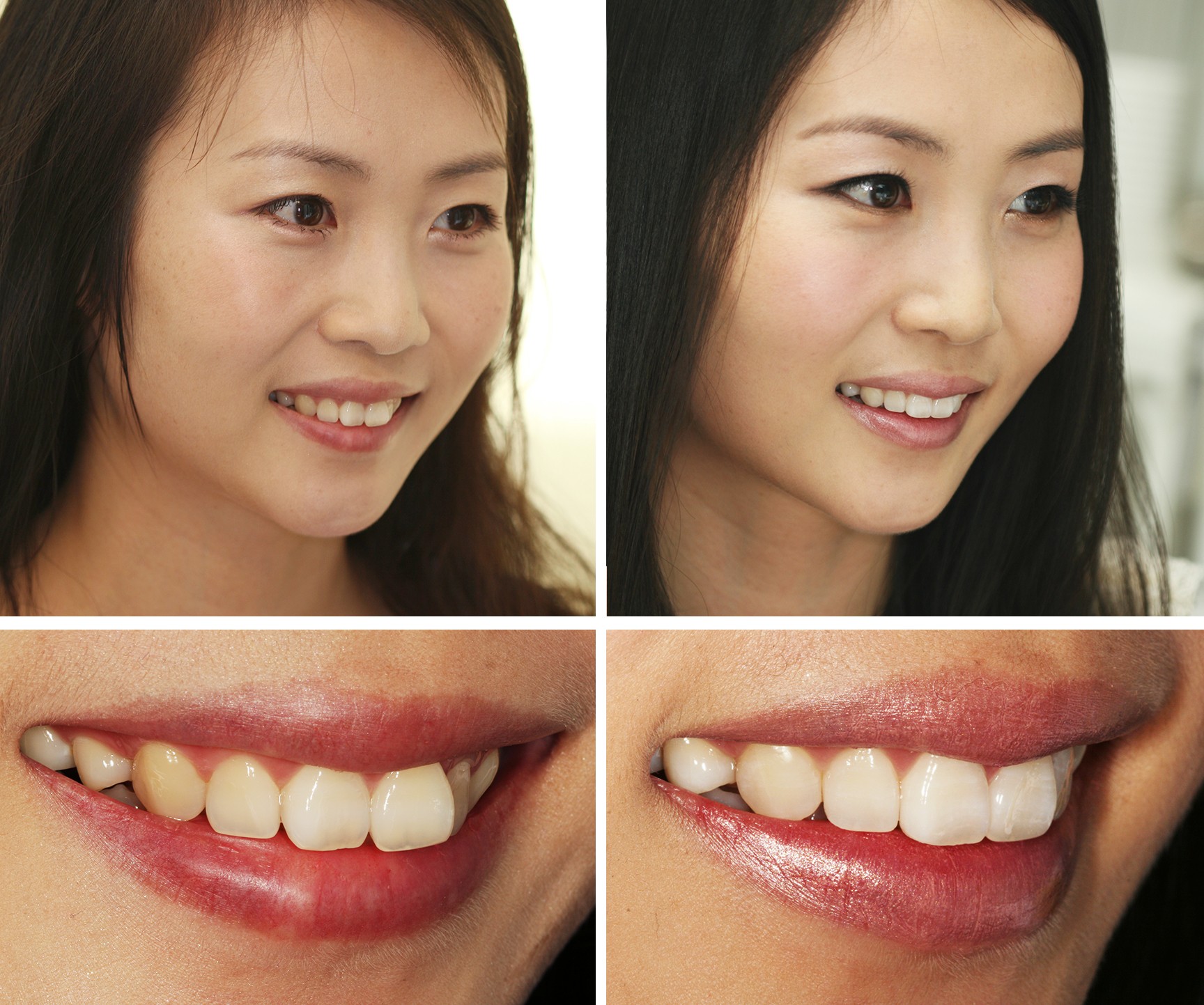
Three-month front-tooth orthodontics
03 · Choosing an appropriate approach
Deciding treatment scope and appliances together
① Limited and comprehensive orthodontics
Limited treatment for some teeth differs from comprehensive treatment of the entire alignment and bite. Even a front-tooth concern requires assessing the whole bite; limited treatment is not suitable for every case.
② Bracket-and-wire orthodontics
Attachments and wires move the teeth. Appliance type and positioning depend on the desired movement and goals. Thorough cleaning and regular checks are essential.
③ SureSmile clear aligners
Digital records guide the plan and a series of custom aligners. Following wear times and change intervals is important. Suitability is decided after diagnosis; simulation and actual movement may differ.
04 · From diagnosis to retention
The orthodontic process
- Consultation and detailed examinationWe establish treatment goals, examine the mouth and collect the required records.
- Individual plan explainedWe discuss scope, appliances, expected duration, possible extractions or other procedures and fees.
- Appliances and tooth movementThe planned appliances are fitted, with regular visits to check movement and gum condition.
- Finishing and retentionAfter checking alignment and the bite, we explain retainer use and regular review schedules.
Temporary pain or irritation, decay, gum inflammation, root resorption or recession may occur. Teeth can move again after treatment, making retainers and ongoing care necessary.
05 · Frequently asked questions
Questions about orthodontics
Is all front-tooth orthodontics finished within three months?
No. The extent and difficulty of movement, gums and treatment response affect duration. The dates above are this patient's records, not another person's predicted treatment time.
Can orthodontics be performed without extractions?
Space, protrusion and the bite must be assessed. Photographs alone cannot determine extraction requirements; procedures and alternatives are explained after diagnosis.
Can adults have orthodontic treatment?
Adults can be assessed for orthodontics. Gum, bone and root condition must first be examined before deciding scope and method.
Are retainers necessary?
Teeth can move after treatment. Use retainers as directed and seek advice if they distort or detach.
How can I check the fees?
Fees depend on scope, appliances, additional care and retainers. Discuss included and additional items, and consult the website's fee guide.
General orthodontic references: NHS braces guide · Leeds Teaching Hospitals: orthodontic benefits and risks