
Harue Dental · An actual front-tooth orthodontic case
What changed during about three months of front-tooth orthodontics?
Orthodontics began on December 21, 2009, and the braces were removed on March 11, 2010: about three months in this individual case. We review alignment, smiles and photographs taken with the braces in place. Limited front-tooth orthodontics is considered after assessing the overall bite and gums; treatment does not take the same time for every patient.
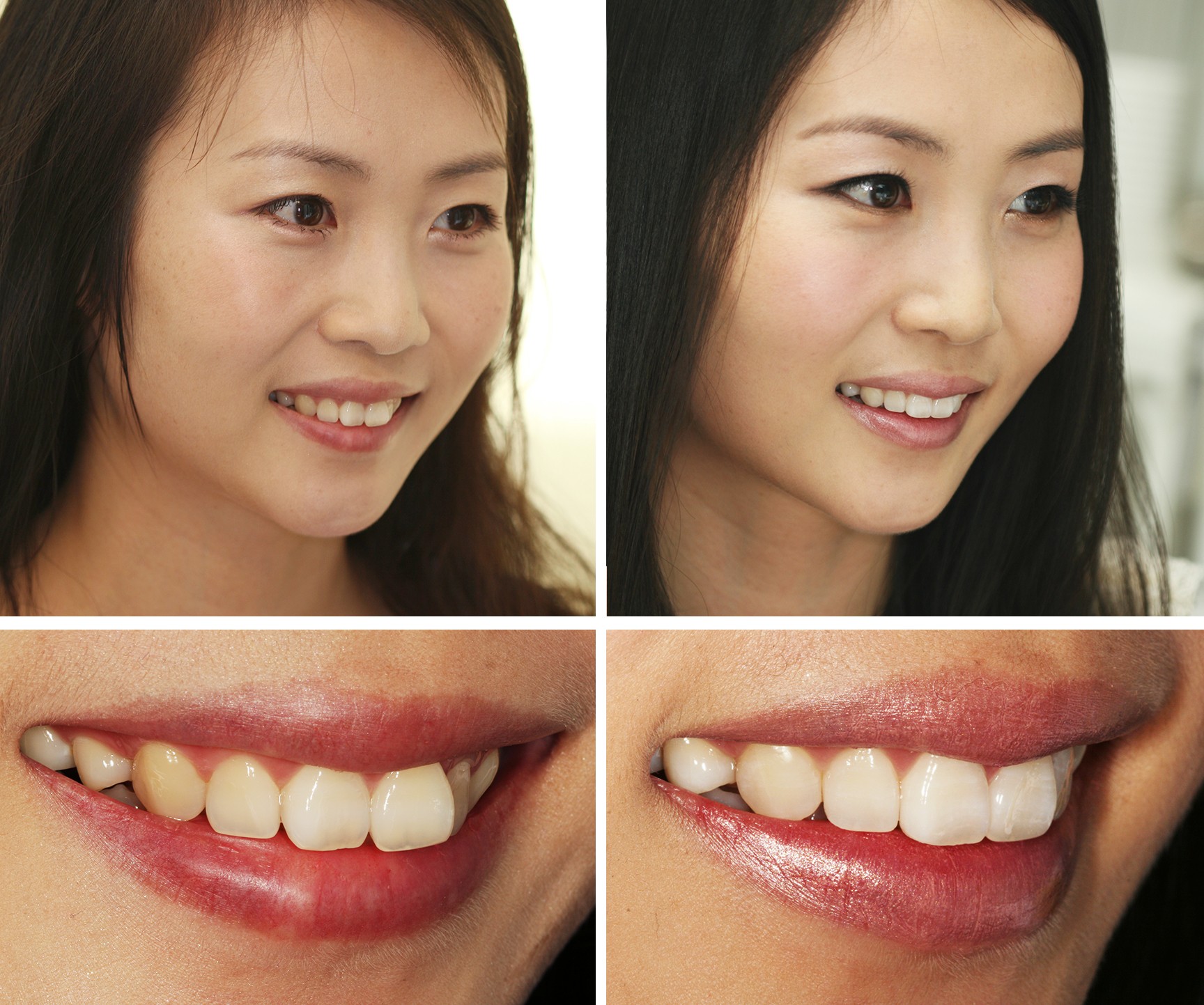
Before and after at a glance
Key orthodontic precautions
Pain, irritation, enamel demineralization, decay and gum inflammation may occur. Root resorption or gum recession is possible, and teeth may move again after treatment, so retainers and regular checks are needed.
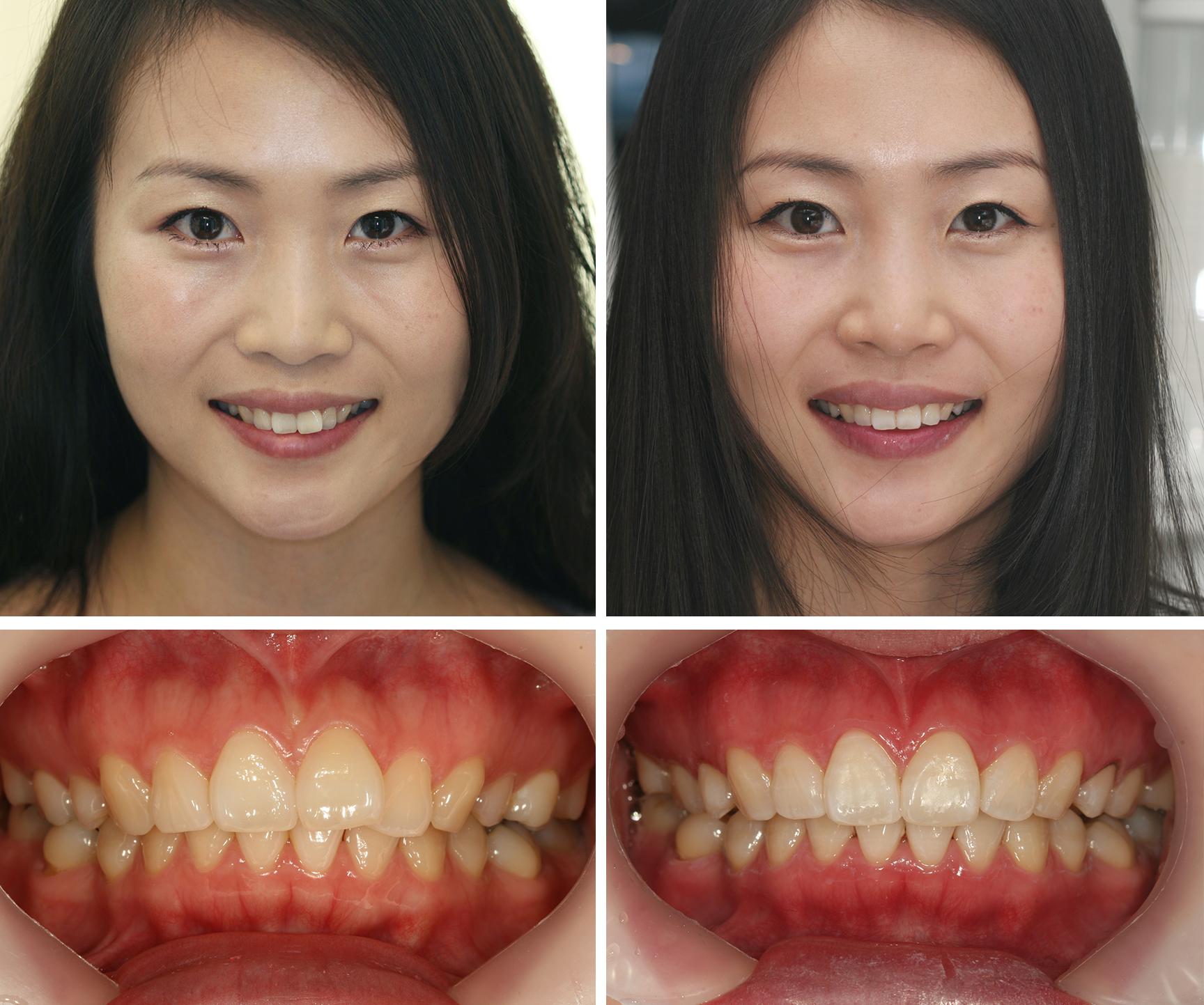
Frontal before-and-after comparison
If you want to align only the front teeth
Can overlapping front teeth be treated with limited orthodontics?
Can treatment be finished quickly, as in this three-month case?
These are general questions to help explain treatment choices. The visible irregularity and the amount of movement actually needed may differ. The first step is assessing the overall bite, roots, supporting bone and available space together with the visible alignment.
Before treatment: checking tooth position and direction
The pretreatment photographs show the direction and overlap of the front teeth. Frontal, oblique and smile views also help show how the teeth appear between the lips.
Appearance alone cannot establish extraction requirements, a detailed diagnosis or root condition. An orthodontic plan requires an oral examination and appropriate diagnostic imaging.
The roughly three-month process in photographs
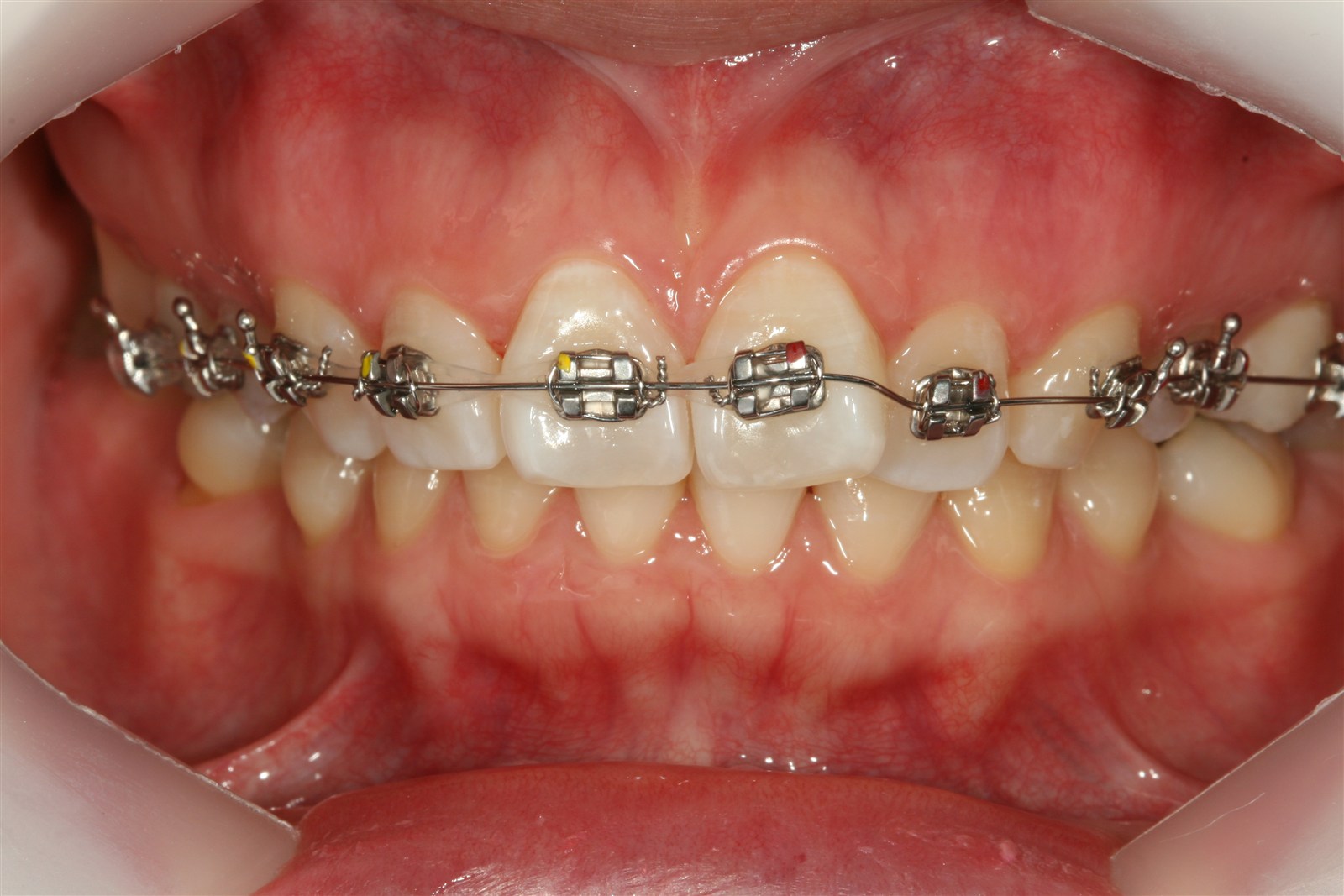
STEP 01 · 2009.12.21
Braces fitted and treatment started
Brackets and wire are visible on the outer tooth surfaces. Brackets are small attachments that transmit force from the wire to move the teeth.
Photographed
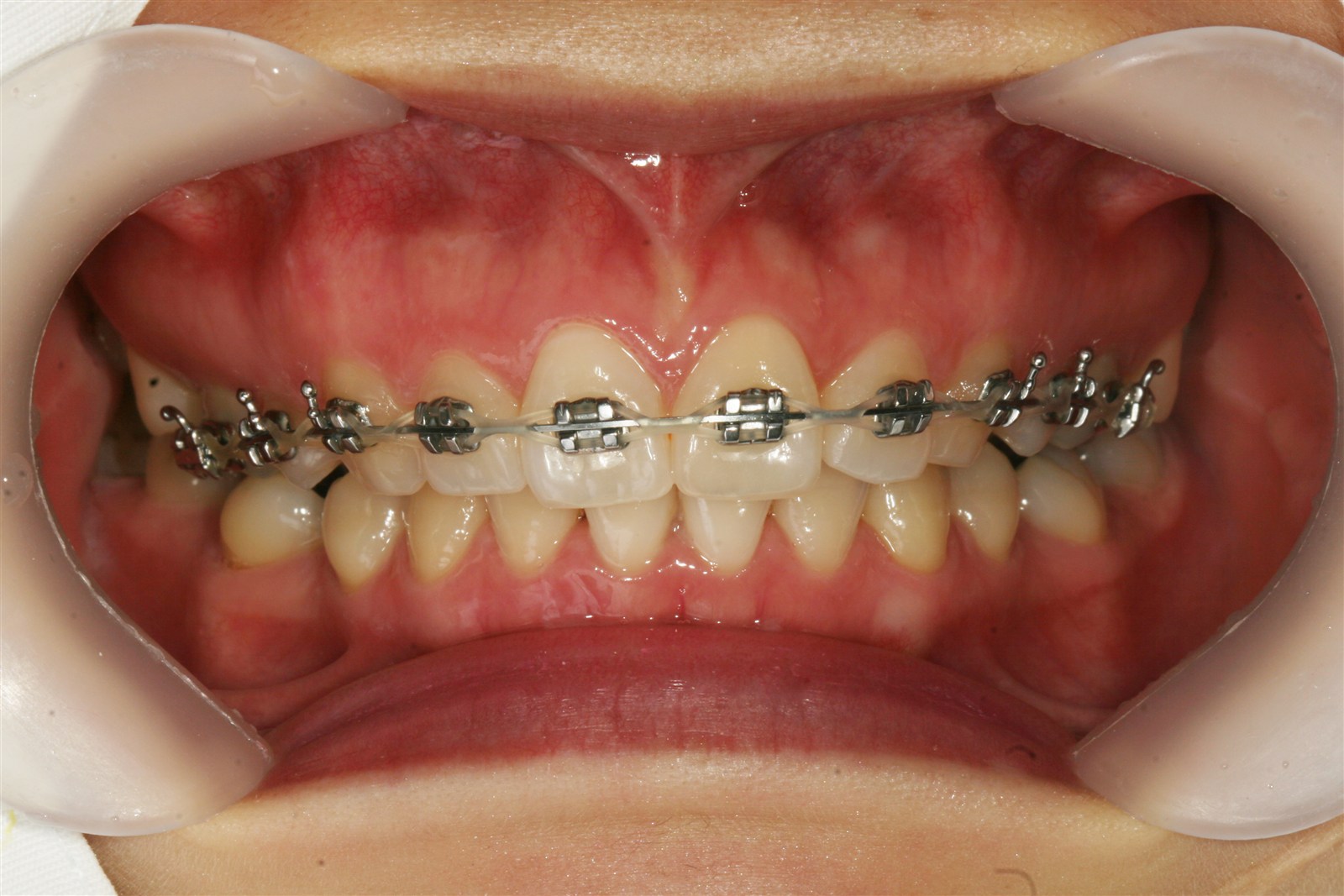
STEP 02 · 2010.03.11
Checking alignment before brace removal
The braces remain in place near the end of treatment. Comparing these photographs with the start helps show the changes in alignment.
Photographed
The photographic records span about three months from starting orthodontics to brace removal. This is one patient’s course, not a basis for predicting or guaranteeing another patient’s treatment time.
Why were metal braces used?
In this case, the short planned period of about three months led to choosing metal braces rather than paying extra for ceramic braces or clear aligners. The decision considered the required tooth movement and cost rather than prioritizing less visible appliances during treatment.
Braces are removed after tooth movement and treatment are complete. The priorities here were effective tooth movement, lower cost and completing the planned treatment without unnecessary delay.
Metal braces do not make every treatment faster. Duration depends on the extent and difficulty of movement and the individual’s response.
A closer frontal view inside the mouth

Photographed

Photographed
Front teeth immediately after brace removal

Photographed

Photographed
The pretreatment frontal photograph is compared with March 11, 2010, immediately after brace removal. It shows alignment and how the front teeth appear in the smile. Different expressions, distances and head positions prevent quantitative assessment of facial-shape changes.
Follow-up smiles: frontal and oblique views
Frontal and oblique smile photographs were taken on April 1, 2010. The right-hand photographs below show follow-up after treatment, taken after brace removal, rather than long-term maintenance results.
Front-tooth alignment in the frontal smile
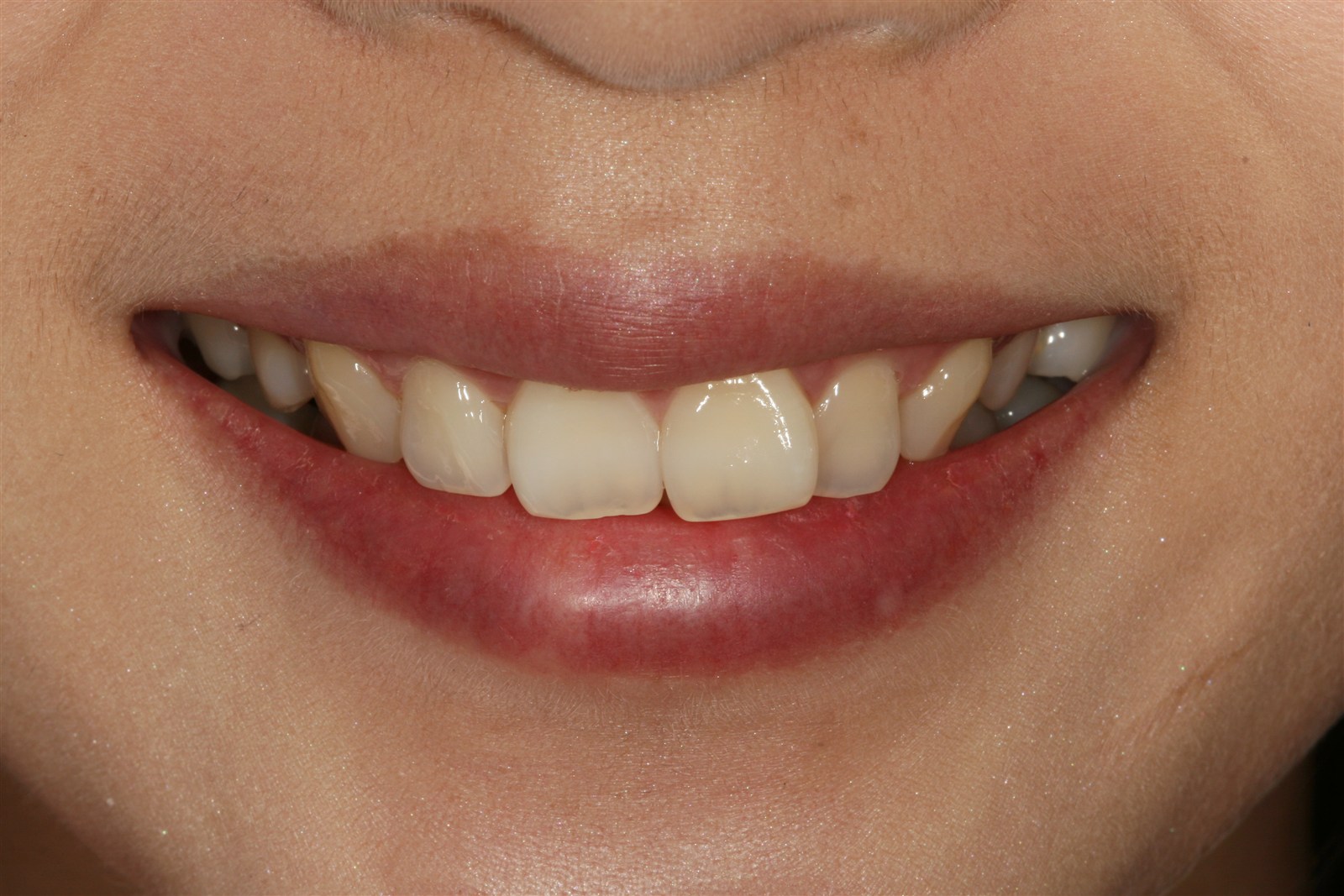
Photographed
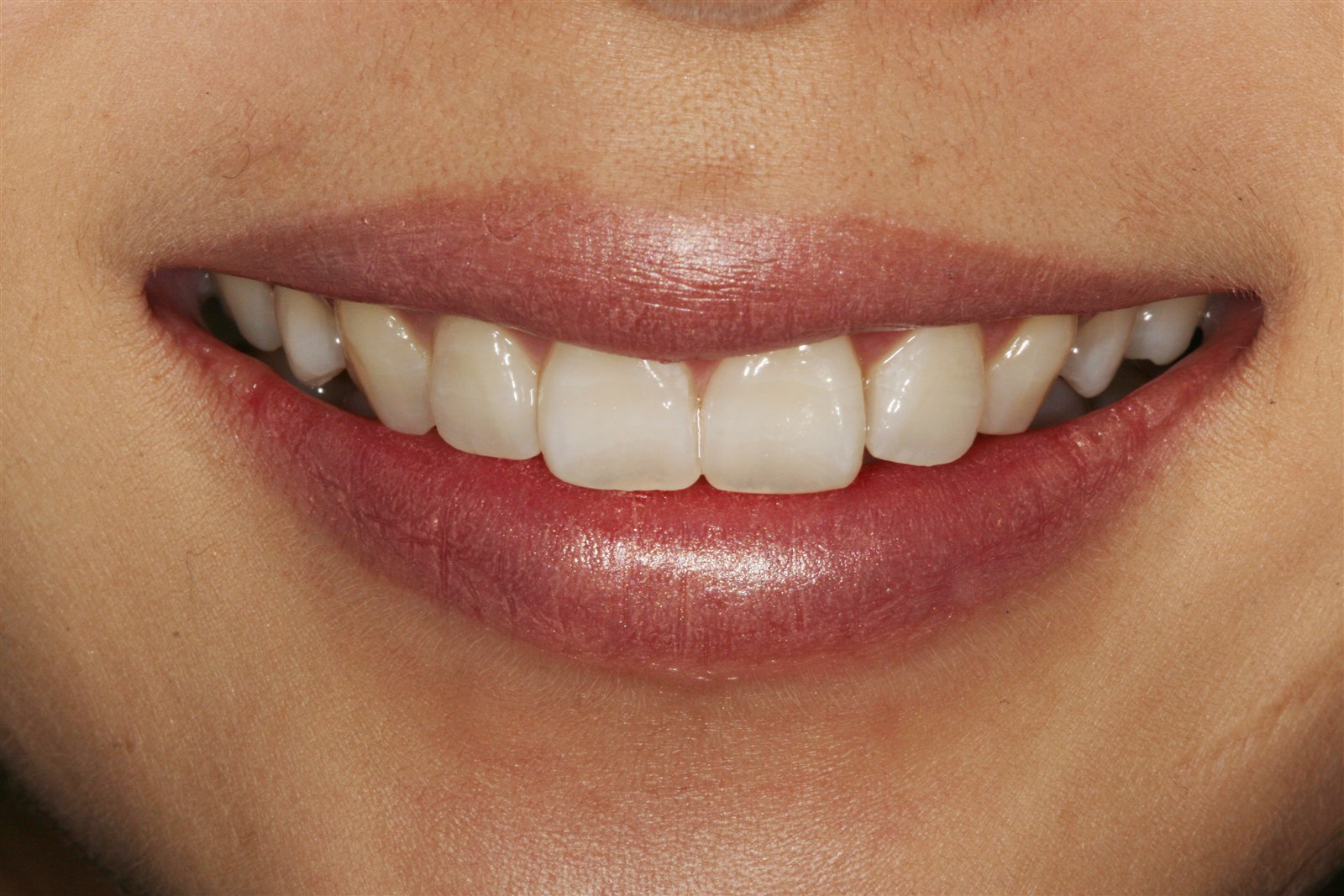
Photographed
Tooth direction in the oblique smile
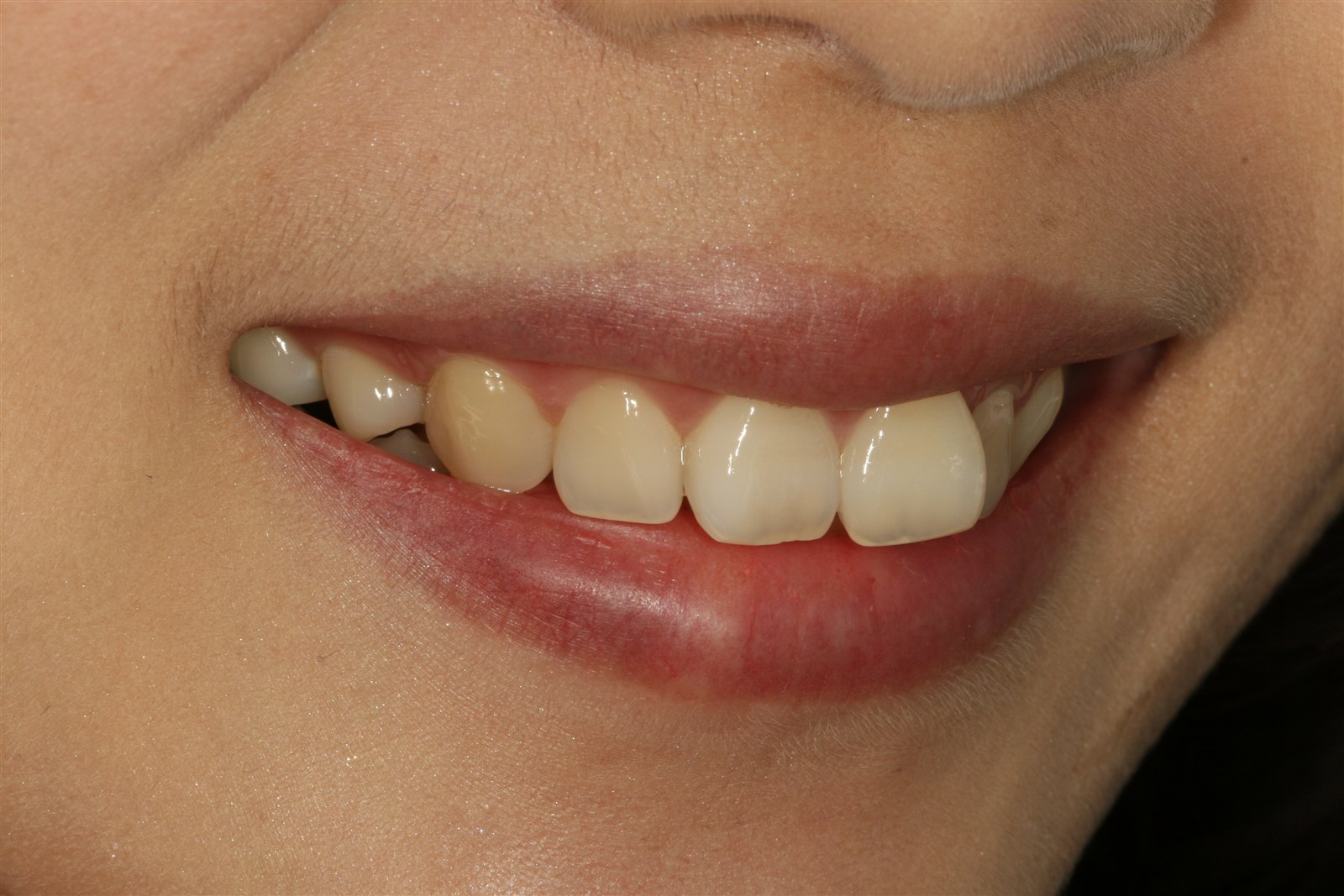
Photographed
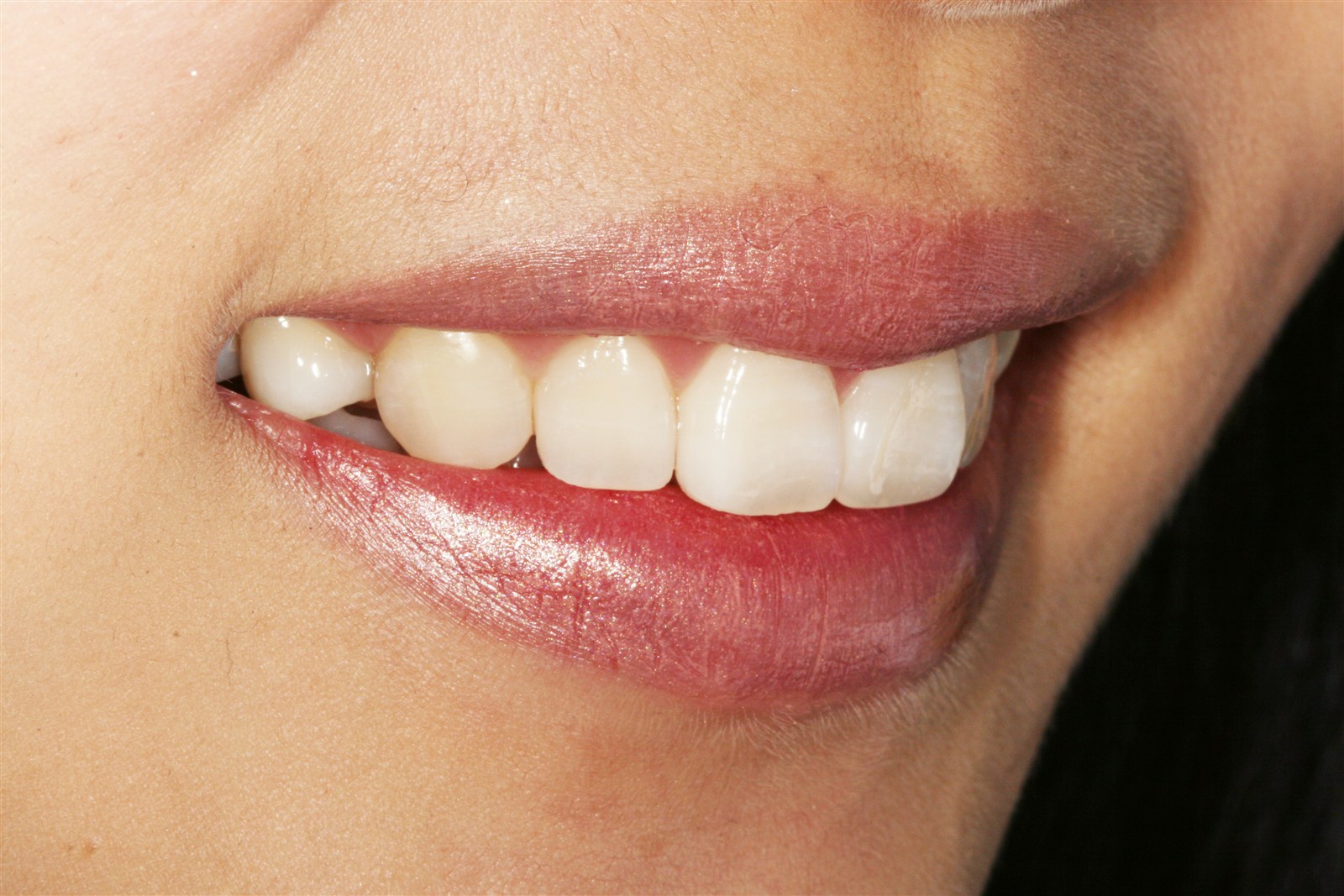
Photographed
Before: 2009.12.21 / Follow-up: 2010.04.01. Angles, lip movement and lighting differ; these are not measurements under identical conditions.
Oblique facial views and the frontal follow-up record

Photographed

Photographed
Follow-up on April 1, 2010
Frontal and oblique facial views show the front teeth and smile from several directions. These are records at specific times after treatment, not evidence of the current oral condition or later retainer use.
The latest post-treatment photograph in this article is dated April 1, 2010. This is not a long-term follow-up documenting the condition in 2026.

Photographed
Assessing suitability for limited front-tooth orthodontics
When limited tooth movement may be considered
Even if the concern is mainly the front teeth, available space and the overall bite must fit the treatment goals. Tooth and gum health are checked before discussing the possible scope.
When comprehensive orthodontics or another plan is needed
A major bite problem, extensive movement or gum limitations may make a front-teeth-only plan unsuitable. The necessary scope and stability take priority over duration.
Orthodontics changes tooth position. Its principle differs from restoring surface shape with veneers. The suitable method depends on whether position or shape is to change and on the condition of the teeth.
Care continues after orthodontics
Teeth can move again after treatment. Continue prescribed retainer use and regular checks, and seek advice if a retainer detaches or becomes distorted. Keep brushing and cleaning between teeth.
Poor cleaning around braces increases the risk of decay and gum inflammation. Persistent pain, swelling or a broken appliance should be discussed with the treating clinician rather than waiting for the next appointment.
Questions about front-tooth orthodontics
Does front-tooth orthodontics always take three months?
No. This is an individual record of about three months. Movement, bite, gum condition and response affect duration; comprehensive orthodontics may be needed.
Are overlapping front teeth suitable for limited orthodontics?
Photographs alone cannot determine this. Space, roots, supporting bone and the overall bite must be examined.
Was this treatment performed without extractions?
The supplied records do not establish extraction status. Extraction decisions depend on alignment, space and treatment goals.
How long are retainers needed?
The plan varies with treatment extent and relapse risk. Do not stop on your own; follow the clinician’s wear and check-up instructions.
What orthodontic plan do my front teeth need?
We assess alignment, the overall bite and gums before discussing the possible scope and expected duration.
Related reading: limited orthodontics and veneers
Post-treatment maintenance
References
These sources explain general principles and care, not independent verification of this patient’s outcome.
How much does this treatment cost?
Fees depend on materials, treatment extent and tooth condition. The plan and total cost are explained after diagnosis.
View current orthodontic fees →View current orthodontic fees →These are current reference fees, not the actual fee paid in this case.