
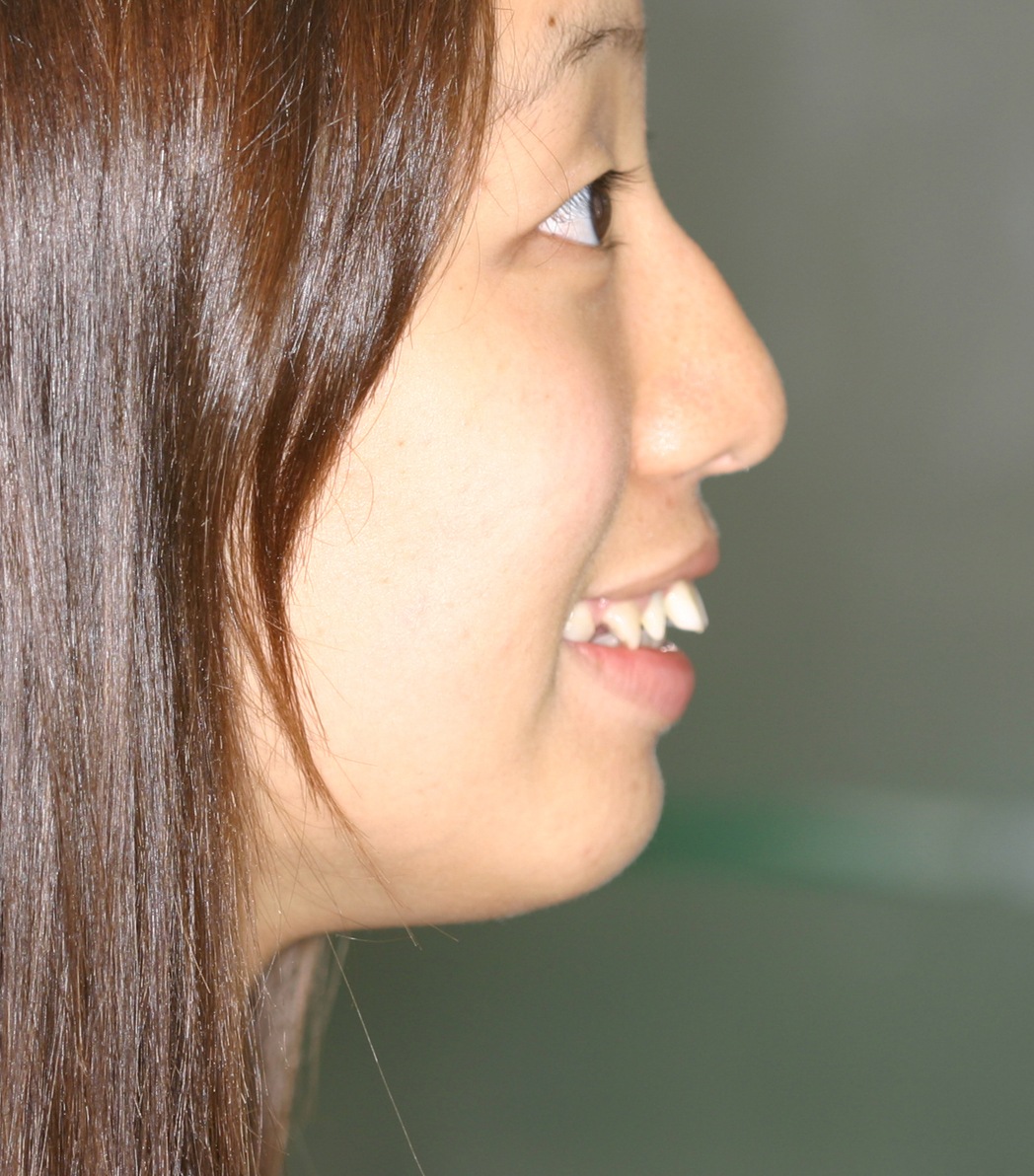
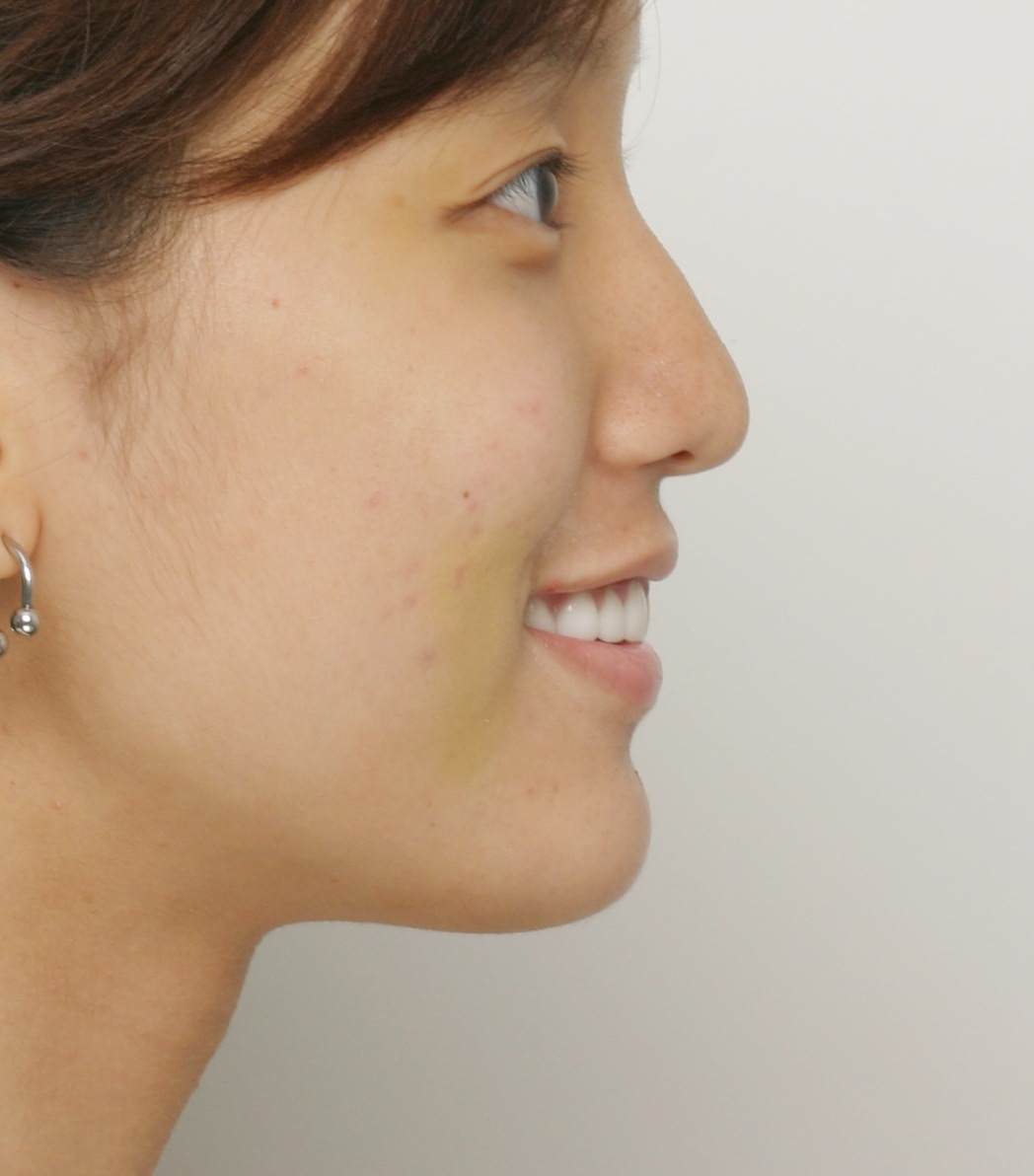
When front teeth flare forward markedly, thin ceramic veneers alone may not sufficiently reduce the protruding appearance. In this case, preventive root canal treatment was performed on the severely protruding front teeth, followed by all-ceramic crowns to change their visible inclination and shape.
Orthodontics moves teeth, while crowns change their outer contours. The processes and limitations differ. Jaw structure, tooth inclination and the bite must be assessed when deciding on treatment.
Root canal treatment removes the pulp tissue containing nerves and blood vessels, then disinfects and fills the root canals. It is not required for every crown. Even where substantial preparation is anticipated, the decision should be made carefully alongside alternatives that preserve tooth structure.
Why can veneers alone be unsuitable for severely protruding front teeth?
Veneers cover the front surfaces with ceramic to change color and shape. Simply adding a thin layer to a tooth already inclined far forward does not move it backward. Reducing the protruding appearance by reshaping the surface may require considerable preparation, so we first assess whether thin veneers are appropriate.
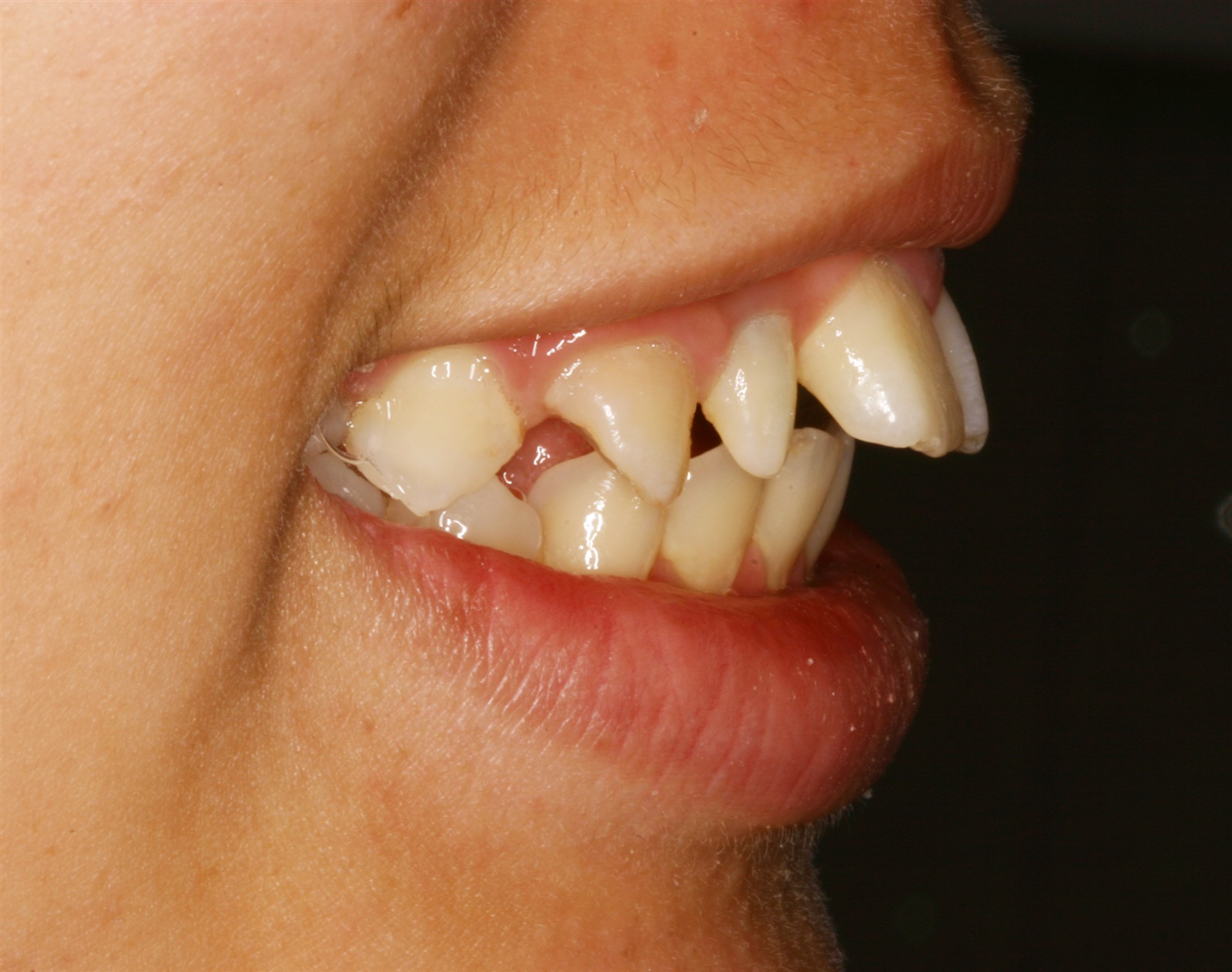
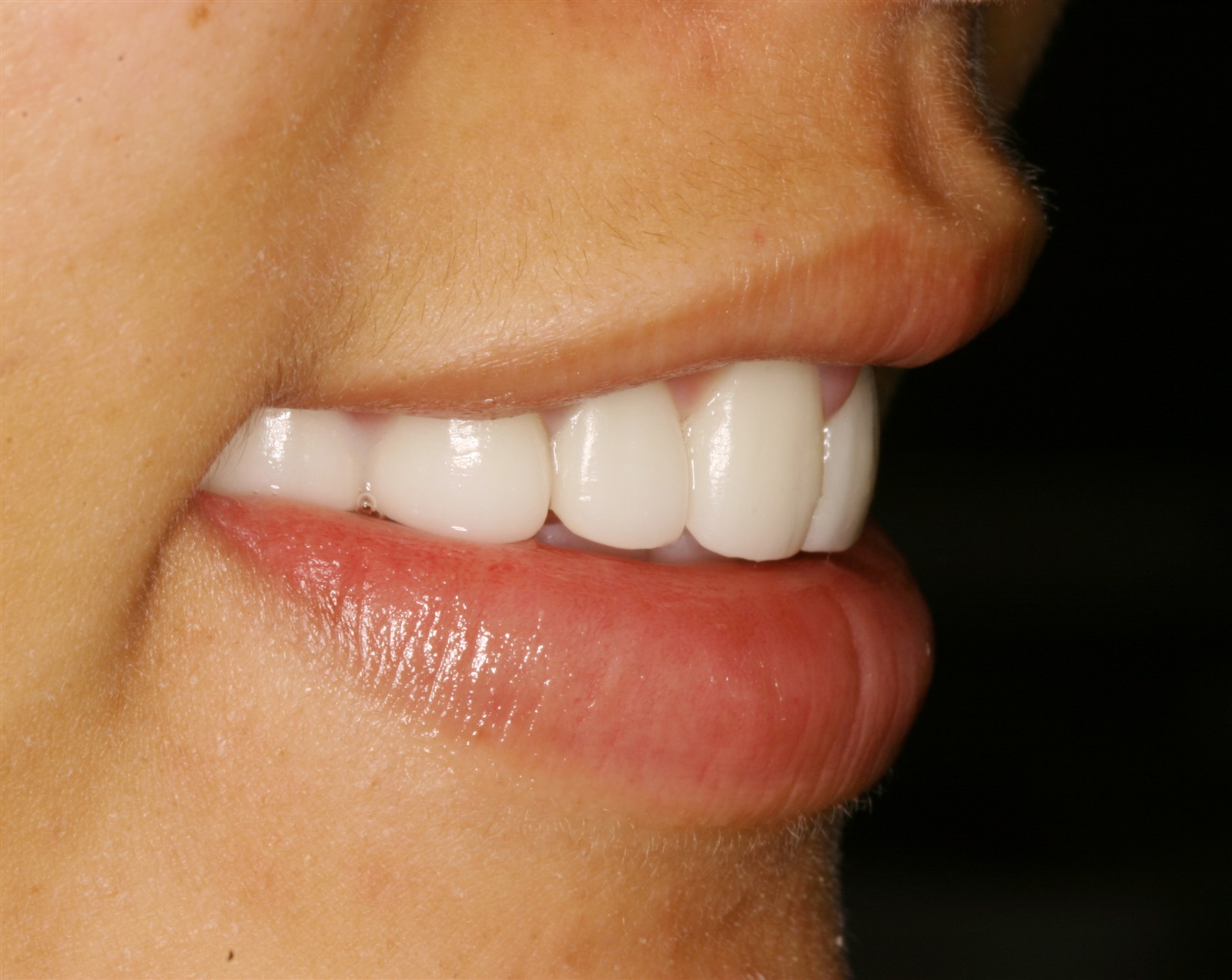
The contours were changed with all-ceramic crowns after preventive root canal treatment
In this case, preventive root canal treatment was performed first as part of a plan requiring sufficient tooth reshaping to reduce the protruding appearance. We then created space for all-ceramic crowns and adjusted the visible contours and degree of forward projection. An all-ceramic crown is a restoration made entirely of ceramic without metal that surrounds the tooth.
This differs from orthodontics that moves tooth roots backward. The root and jaw positions remain unchanged while the restoration’s contours change, so the possible improvement and the amount of tooth structure that can be retained must be considered together.


How do we choose between extraction-based orthodontics and restorative reshaping?
Orthodontic plans to reduce protrusion sometimes involve premolar extractions to create space for tooth movement. In some cases, four teeth may be extracted and comprehensive treatment may take several years, but neither extraction numbers nor treatment duration are the same for everyone.
Alternatively, a plan involving root canal treatment and crowns on around two markedly protruding front teeth may be considered. The choice is not based only on the number of teeth or treatment duration. We assess whether protrusion comes from the jaw structure or tooth inclination, the roots and supporting bone, whether sufficient tooth structure will remain after preparation, and the bite.
Orthodontics may be needed if the positions of the teeth and roots themselves must change. Significant jaw discrepancies may require assessment that includes surgery. Crown-based reshaping cannot resolve every form of protrusion.
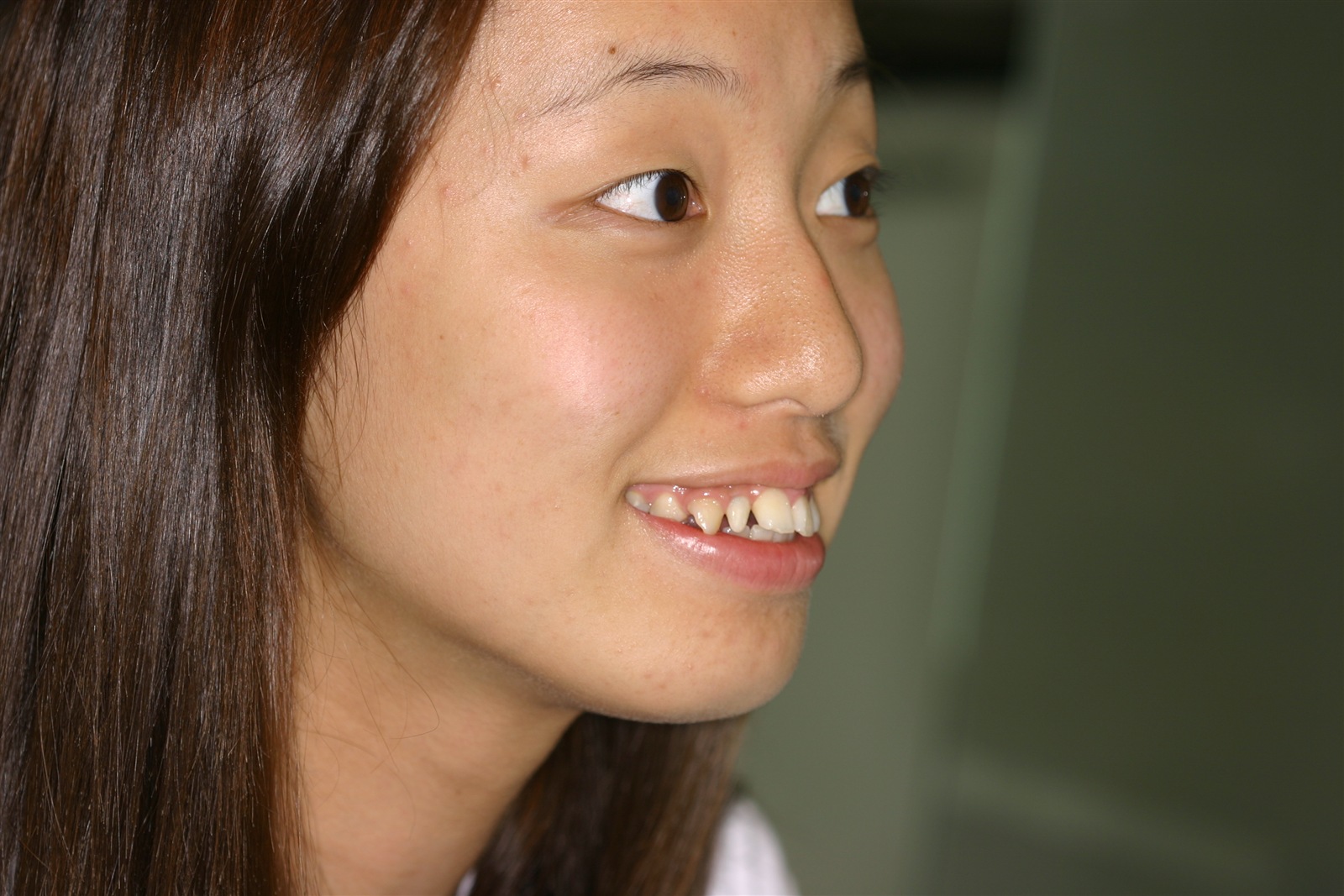
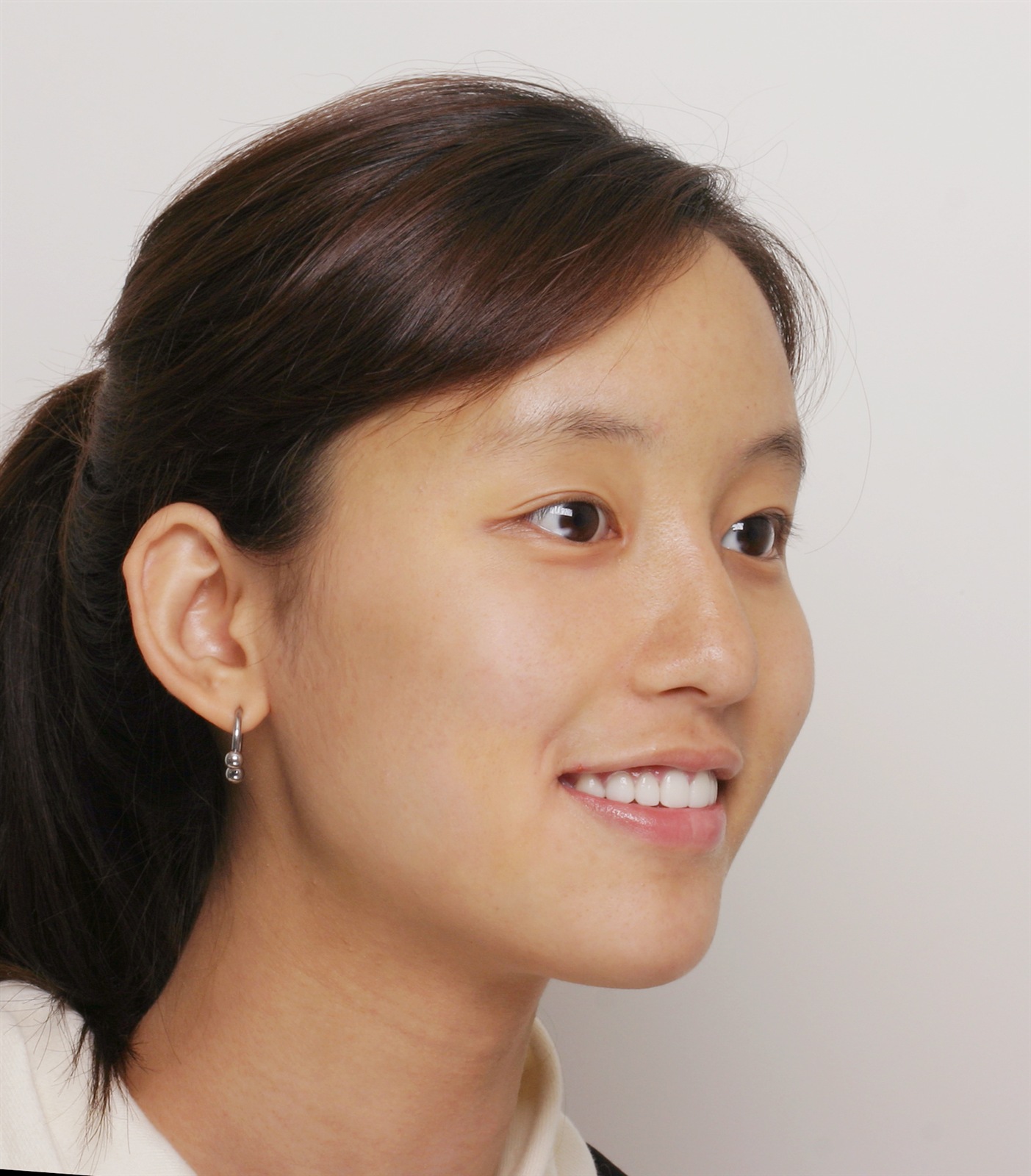
The photographs allow comparison of the front-tooth contours and protruding appearance in the smile before and after this patient’s treatment in 2005.
Tooth preparation and root canal treatment are irreversible. Depending on the remaining tooth structure and bite, the teeth or restorations may fracture or detach, and root canal reinfection may occur. Retreatment or replacement of restorations may be needed. After treatment, keep the spaces between teeth clean and attend regular checks of the teeth, gums and restorations.
How much does this treatment cost?
All-ceramic crown fees depend on the number of teeth, complexity and any additional procedures such as root canal treatment. The link below gives current general fees, not the actual fee paid in this 2005 case. The precise total and included items are explained after diagnosis.
View general all-ceramic crown fees →View general all-ceramic crown fees →Orthodontic treatment guide · View other treatment cases
General information reference: American Association of Endodontists: Treatment Standards for Root Canal Treatment and Restoration (2019). Treatment details and photograph dates follow the records supplied by the treating clinician.